
Cosmetic Dentistry Isn't Just About Looks - Here's How It Improves Oral Health
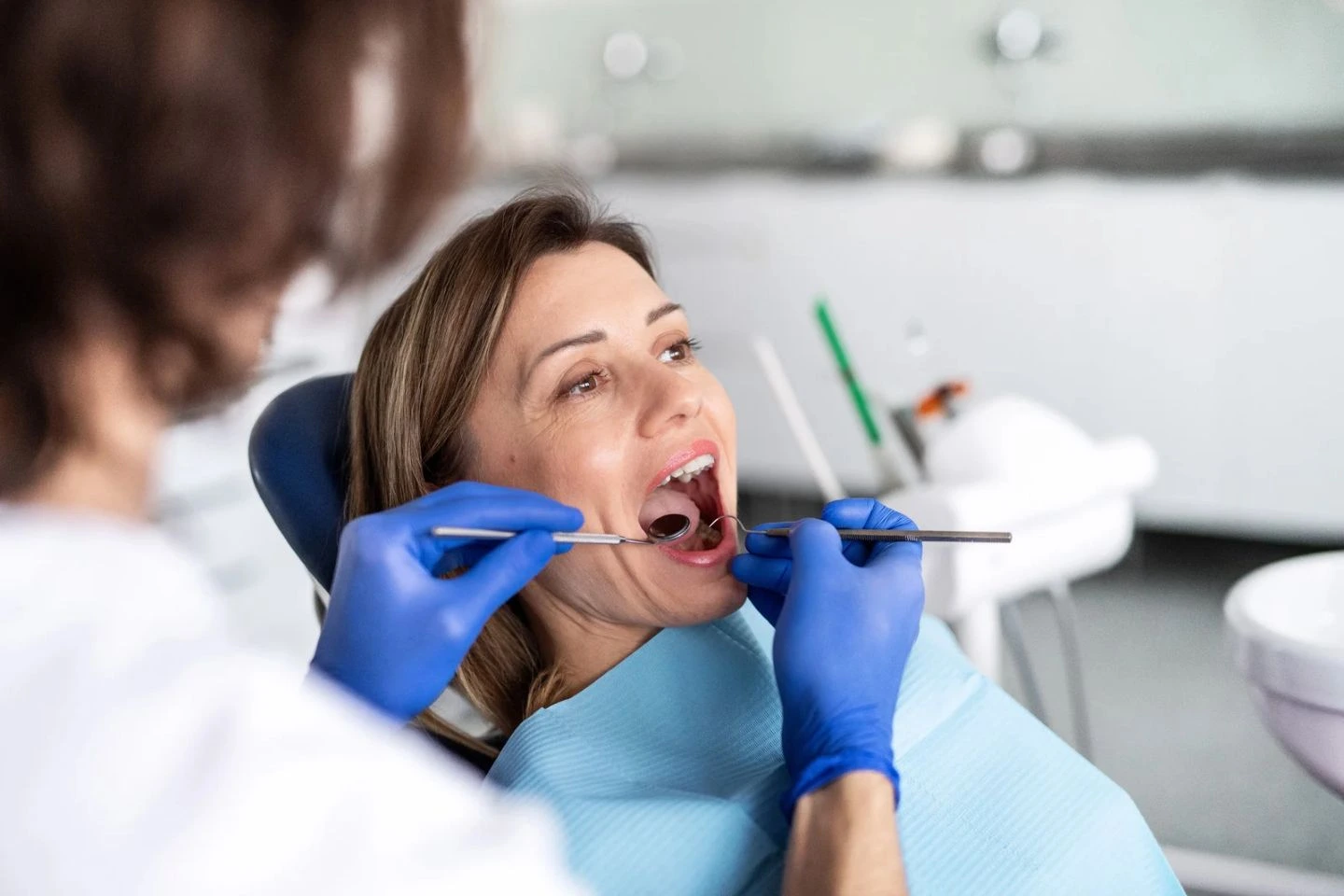
When people hear the term cosmetic dentistry, they often think about whiter teeth, a straighter smile, or a more polished appearance. While improving the look of your smile is an important part of cosmetic dental treatment, some procedures can also support the health, function, and structure of your teeth.
Treatments such as dental bonding, veneers, crowns, and clear aligners can address concerns ranging from damaged teeth and uneven surfaces to spacing and alignment issues. Depending on your needs, cosmetic treatment may do more than change the appearance of your smile.
At Buford Dental, we combine cosmetic and restorative dental care to help patients address both the appearance and function of their smiles.
What Is Cosmetic Dentistry?
Cosmetic dentistry includes dental treatments designed primarily to improve the appearance of the teeth and smile. However, some cosmetic procedures can also address functional or structural concerns.
Common cosmetic treatments include:
- Professional teeth whitening
- Dental veneers
- Dental bonding
- Clear aligners
- Dental crowns
- Smile makeovers
- Restorative treatments that improve both appearance and function
The right treatment depends on the condition of your teeth, gums, bite, and overall oral health.
How Can Cosmetic Dentistry Improve Oral Health?
Not every cosmetic treatment provides a direct oral health benefit, and some are primarily aesthetic. However, certain procedures can improve the way your teeth function or make them easier to maintain.
Here are some ways cosmetic dentistry may contribute to a healthier smile.
1. Straighter Teeth Can Be Easier to Clean
Crowded or overlapping teeth can make brushing and flossing more difficult.
When teeth are positioned too closely together, certain areas may be harder to reach with a toothbrush or floss. This can allow plaque to accumulate around the teeth and gumline.
Clear aligner treatment, such as Invisalign, can gradually move teeth into a more aligned position.
Straighter teeth do not automatically guarantee better oral health, but improved alignment can make daily oral hygiene easier for some patients.
2. Dental Bonding Can Repair Minor Tooth Damage
A chipped or damaged tooth is not always only a cosmetic concern.
Small chips and cracks can change the shape of a tooth and may affect how it contacts the surrounding teeth. In some cases, repairing the damaged area can restore the tooth's shape and function.
Dental bonding uses tooth-coloured composite resin to repair certain minor chips, cracks, gaps, and changes in tooth shape.
Because bonding can often be completed conservatively, your dentist can determine whether it is appropriate based on the condition of the tooth.
3. Crowns Can Protect Weakened Teeth
A tooth that has been significantly damaged, cracked, or weakened may need more than an aesthetic improvement.
A dental crown covers the visible portion of a tooth and can help restore its shape, strength, and function. Modern crowns can also be designed to blend with the surrounding teeth.
This makes crowns an example of treatment that can combine cosmetic and restorative goals.
If a tooth is too damaged to function normally, your dentist may recommend a crown or another restoration depending on the amount of healthy tooth structure remaining.
4. Replacing Missing Teeth Can Restore Function
A missing tooth can affect more than the appearance of your smile.
It may make chewing more difficult and can allow neighbouring teeth to shift into the space. Depending on the location of the missing tooth and your overall oral health, replacing it may help restore normal function.
A dental implant can replace a missing tooth with an implant-supported restoration. Dental bridges are another option for some patients.
The appropriate treatment depends on factors such as the condition of the surrounding teeth, gums, and jawbone.
5. Dental Bridges Can Restore a Missing Tooth
A dental bridge uses neighbouring teeth or other supporting structures to hold a replacement tooth in place.
In addition to filling the visible gap, a bridge can help restore chewing function and prevent the empty space from affecting the way your teeth come together.
A dental bridge may be considered when the surrounding teeth are suitable to provide support.
Your dentist can evaluate the area and discuss whether a bridge, implant, or another replacement option is appropriate.
6. Veneers Can Address Certain Damaged or Worn Teeth
Dental veneers are thin coverings placed over the front surface of selected teeth. They are commonly used to address concerns such as discoloration, chips, irregular shapes, and minor spacing issues.
Dental veneers are primarily cosmetic, so they should not be viewed as a substitute for treating active decay or gum disease.
Before recommending veneers, your dentist should assess the health of the teeth and gums. Existing dental problems may need to be treated first.
7. Fixing Damaged Teeth Can Make Oral Hygiene Easier
A rough, chipped, or irregular tooth surface may make cleaning around that area more difficult.
Restoring the shape of a damaged tooth can create a smoother surface that may be easier to brush and floss around.
For example, dental bonding can reshape certain minor imperfections while also improving the appearance of the tooth.
However, the goal should always be to preserve as much healthy natural tooth structure as possible.
8. Cosmetic Treatment Can Address Both Appearance and Function
Some patients have dental concerns that affect both their smile and the way their teeth function.
For example, worn, damaged, or uneven teeth may affect chewing while also changing the appearance of the smile.
Depending on the cause, treatment may involve restorative procedures, orthodontic treatment, cosmetic dentistry, or a combination of approaches.
A comprehensive evaluation helps determine whether the concern is primarily cosmetic or whether there is an underlying oral health issue that should be addressed first.
9. Cosmetic Dentistry Can Encourage Better Oral Care
When patients invest time and effort into improving their smiles, they may become more aware of the importance of maintaining their results.
This can encourage habits such as:
- Brushing twice daily
- Cleaning between the teeth every day
- Limiting frequent sugary snacks and drinks
- Wearing recommended dental appliances
- Attending regular dental examinations
- Following professional cleaning recommendations
Cosmetic treatment itself does not replace preventive dental care. Maintaining good oral hygiene remains essential for protecting both natural teeth and dental restorations.
10. A Smile Makeover Can Combine Multiple Dental Needs
Some patients have several concerns at the same time, such as discolouration, chipped teeth, gaps, worn teeth, or missing teeth.
In these situations, a smile makeover may combine different treatments into a coordinated plan.
Depending on the patient's needs, treatment may include whitening, bonding, veneers, clear aligners, crowns, bridges, or dental implants.
A smile makeover should begin with an assessment of oral health. Treating cavities, gum disease, infections, or other dental concerns may be necessary before cosmetic procedures are considered.
Does Cosmetic Dentistry Treat Oral Health Problems?
Cosmetic dentistry is not a replacement for general or restorative dental care.
If you have untreated tooth decay, gum disease, an infection, or another dental problem, that issue should be evaluated and treated appropriately.
Some procedures can address both appearance and function, but the treatment plan should be based on the underlying dental condition rather than appearance alone.
For example, whitening can improve tooth colour, but it does not treat a cavity. Similarly, veneers can change the appearance of a tooth, but they are not designed to treat active gum disease.
Is Cosmetic Dentistry Suitable for Everyone?
Not necessarily.
Your dentist will consider your:
Tooth Health
Teeth affected by significant decay, infection, or structural damage may require restorative treatment before cosmetic procedures.
Gum Health
Healthy gums provide an important foundation for cosmetic and restorative dental work.
Bite and Alignment
The way your upper and lower teeth come together can influence which cosmetic treatments are appropriate.
Existing Dental Work
Fillings, crowns, bridges, or other restorations may affect treatment planning.
Oral Hygiene
Good daily oral hygiene is important for maintaining both natural teeth and cosmetic restorations.
What Should You Do Before Cosmetic Dental Treatment?
Before beginning cosmetic treatment, schedule a comprehensive dental examination.
Your dentist may evaluate your teeth, gums, bite, existing restorations, and overall oral health. This helps identify problems that should be addressed before cosmetic treatment begins.
It also allows your dentist to recommend an approach that considers both your aesthetic goals and your dental needs.
How Can You Maintain the Results?
Once you have completed cosmetic dental treatment, maintaining your oral health is essential.
You should:
- Brush twice a day with fluoride toothpaste
- Clean between your teeth daily
- Attend regular dental examinations
- Follow your dentist's professional cleaning recommendations
- Avoid biting hard objects with restored teeth
- Address dental problems as soon as they develop
- Follow any specific care instructions for your restoration
Good oral hygiene can help protect your natural teeth and support the condition of dental restorations.
Is Cosmetic Dentistry Just About Looks?
Cosmetic dentistry is often associated with improving the appearance of a smile, but certain treatments can also support tooth function, repair damage, improve alignment, or restore missing teeth.
The key is understanding that not every cosmetic procedure provides the same oral health benefits. Treatments should be recommended based on your individual dental condition and goals.
At Buford Dental, we can evaluate your teeth and gums, discuss your concerns, and explain which cosmetic or restorative treatments may be appropriate for your smile. Whether you are interested in improving alignment, repairing damaged teeth, or replacing missing teeth, a personalised treatment plan can help address both appearance and function.
FAQs About Cosmetic Dentistry and Oral Health
Q: Is cosmetic dentistry only about improving the appearance of teeth?
A: Not always. While many cosmetic treatments focus on appearance, certain procedures can also restore tooth structure, improve function, address alignment, or replace missing teeth.
Q: Can cosmetic dentistry improve oral health?
A: Some cosmetic and restorative treatments may support oral health by repairing damaged teeth, improving alignment, or restoring missing teeth. The benefits depend on the specific treatment and your dental condition.
Q: Can straightening teeth improve oral hygiene?
A: Straighter teeth may be easier for some patients to brush and floss around, particularly when crowding or overlapping makes certain areas difficult to clean.
Q: Can dental bonding improve the health of a chipped tooth?
A: Bonding can restore the shape of certain chipped or damaged teeth. Your dentist will determine whether bonding is appropriate based on the extent and cause of the damage.
Q: Are dental veneers good for oral health?
A: Veneers are primarily cosmetic. They may improve the appearance of selected teeth, but they do not replace treatment for cavities, infections, or gum disease.
Q: Can dental crowns improve both appearance and function?
A: Yes. A crown can restore the shape and function of a damaged or weakened tooth while also improving its appearance.
Q: Should cavities be treated before cosmetic dentistry?
A: In many cases, existing dental problems such as cavities or gum disease should be addressed before elective cosmetic treatment. Your dentist can determine the appropriate sequence of care.
Q: Can cosmetic dentistry replace missing teeth?
A: Some restorative treatments that also improve appearance, such as dental implants and bridges, can replace missing teeth. The appropriate option depends on your oral health and individual circumstances.
Q: How do I know which cosmetic treatment is right for me?
A: A dental examination can help determine which treatments are suitable based on your tooth health, gums, bite, existing restorations, goals, and overall oral health.
Contact Us
We encourage you to contact us with any questions or comments
Location: 1944 Braselton Hwy #107,
Contact: (770) 696-9450
Office Hours
Monday to Thursday: 7.00 AM to 4.00 PM
Fridays: By Appointment
Saturday & Sunday: Closed
Schedule Your Visit!
*First Name
*Last Name
Your Email
*Phone Number
*Preferred Appointment Date & Time
Comments
(Requested time is not final until you receive confirmation from our office) I allow this website to store my submission so they can respond to my inquiry
We are committed to providing quality healthcare to families located in the GA area and treating patients of all ages.


OVERVIEW
SERVICES
SUPPORT
© 2025 Buford Dental | All rights reserved | Privacy Policy | Website Design by Remedo