
Surgical Placement of Dental Implants in Suwanee
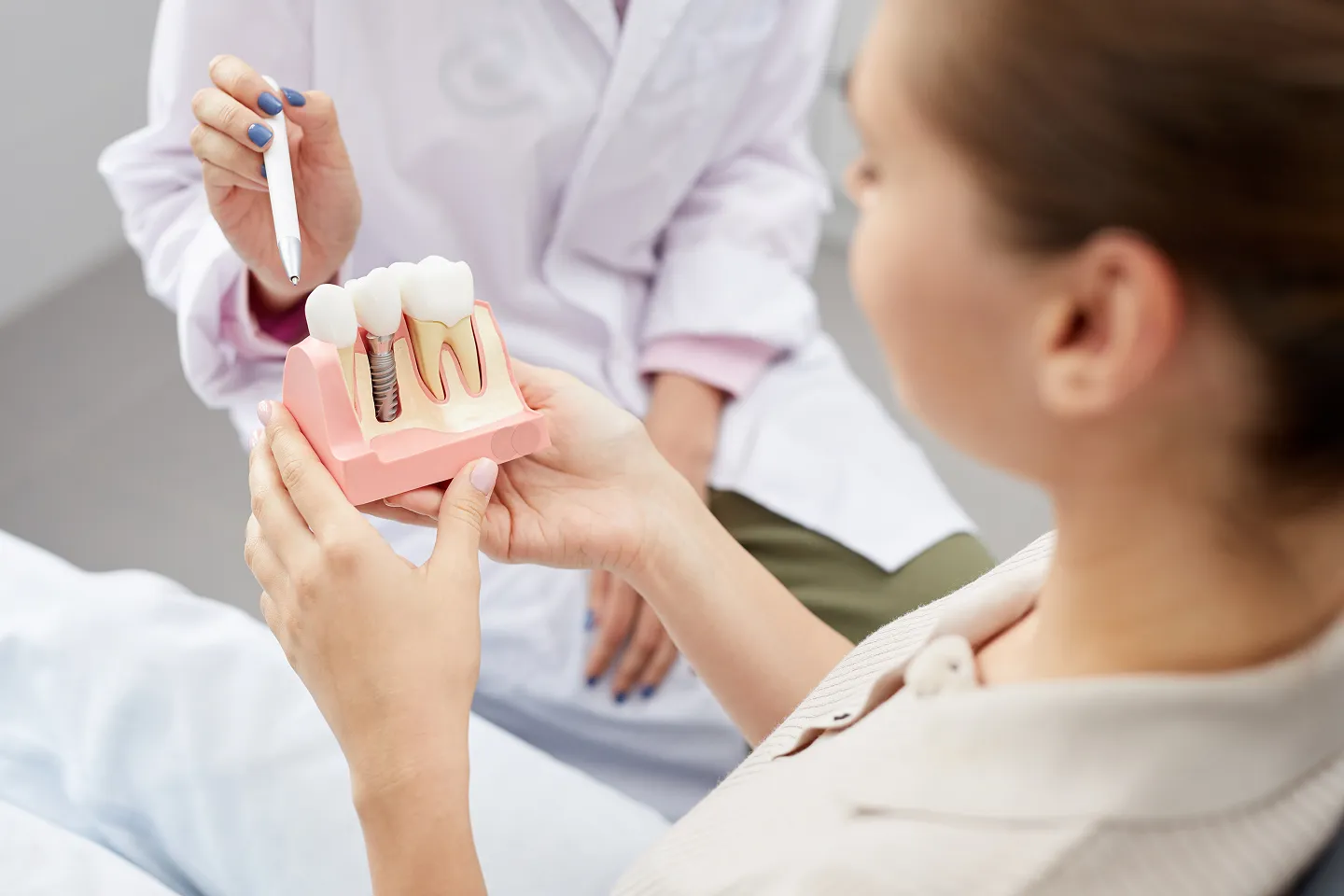
Hearing the words surgical dental implant can make anyone pause. Surgery sounds serious, and it is natural to feel unsure if you have never gone through the process before. Many patients from Suwanee tell us the same thing at the start. They worry about pain, recovery, and what the procedure actually involves.
At Buford Dental, surgical placement of dental implants is approached with careful planning, clear communication, and patient comfort as the priority. For many people, the process turns out to be far more manageable than they expected.
What does the surgical placement of a dental implant mean?
A dental implant is designed to replace the root of a missing tooth. Surgical placement refers to the step where the implant post is placed into the jawbone. This creates a stable foundation for a crown, bridge, or denture later on.
The surgery itself is only one part of the implant process, but it is an important one. Proper placement helps ensure long-term stability, comfort, and function.
Why do patients in Suwanee choose dental implants?
Patients from Suwanee often consider dental implants because they want a solution that feels secure and natural. Unlike removable options, implants are fixed in place and do not shift when eating or speaking.
Dental implants also help preserve bone in the jaw, which can slowly shrink after tooth loss. For many patients, this long-term benefit is just as important as restoring the appearance of their smile.
The evaluation before implant surgery
Before any surgical placement, a detailed evaluation is performed. This includes examining your teeth and gums, reviewing digital X-rays, and sometimes taking advanced images to assess bone quality.
This planning stage helps determine whether the jawbone can support an implant or if additional steps, such as bone grafting, are needed. For patients in Suwanee, this careful planning helps reduce surprises and improve outcomes.
What happens during implant placement surgery?
The implant placement procedure is performed using local anesthesia to numb the area. You should not feel pain during the surgery. You may feel pressure or movement, which is normal.
A small opening is made in the gum to access the bone, and the implant is placed carefully into position. Once the implant is secured, the area is closed and allowed to heal.
Many patients are surprised by how straightforward the procedure feels and how quickly it is completed.
How long does recovery usually take?
Recovery after implant placement is usually mild. Some soreness, swelling, or tenderness is expected for a few days. This discomfort is often described as manageable and is typically controlled with basic pain relief and rest.
Most patients from Suwanee return to normal daily activities within a day or two. Full healing of the implant into the bone takes several months, but this phase is usually painless.
Healing and integration of the implant
After surgery, the implant goes through a healing process where it bonds with the jawbone. This step is essential for long-term success.
During this time, the implant remains stable beneath the gum, even though it may not yet be visible. Once healing is complete, the final restoration, such as a crown, is placed.
Is implant surgery safe?
Dental implant surgery has a high success rate when proper planning and care are involved. The use of modern imaging and careful surgical techniques helps minimize risk.
At Buford Dental, patient health, bone quality, and individual needs are always considered before moving forward with surgery.
Who may not be a candidate right away?
Some patients may need additional treatment before implant placement. This can include treating gum disease or rebuilding bone through grafting.
These steps help create a strong foundation and improve long-term results. Even if implants are not possible immediately, many patients can still become candidates with proper preparation.
Why Suwanee patients trust Buford Dental?
Patients from Suwanee often choose Buford Dental because we take time to explain each step clearly and answer questions without rushing. Understanding what will happen before, during, and after surgery helps reduce anxiety and build confidence.
Our focus is on predictable results, comfort, and long-term oral health rather than quick fixes.
Frequently Asked Questions
Q: Is dental implant surgery painful?
A: Most patients report little discomfort during the procedure due to anesthesia. Post-surgery soreness is usually mild and temporary.
Q: How long does the surgery take?
A: Implant placement is often completed in one visit. The length depends on the number of implants placed.
Q: Can I eat after implant surgery?
A: Soft foods are recommended at first. Normal eating resumes gradually as healing progresses.
Q: How long do dental implants last?
A: With proper care, dental implants can last many years and often a lifetime.
Conclusion
Surgical placement of dental implants is a carefully planned procedure designed to restore stability, function, and confidence after tooth loss. While the word “surgery can sound intimidating, most patients find the experience more comfortable than expected.
For patients in Suwanee, choosing Buford Dental for implant placement means receiving thoughtful care, clear guidance, and a focus on long-term success. Replacing missing teeth with dental implants helps protect your smile and your oral health for years to come.
Contact Us
We encourage you to contact us with any questions or comments
Location: 1944 Braselton Hwy #107,
Contact: (770) 696-9450
Office Hours
Monday to Thursday: 7.00 AM to 4.00 PM
Fridays: By Appointment
Saturday & Sunday: Closed
Schedule Your Visit!
*First Name
*Last Name
Your Email
*Phone Number
*Preferred Appointment Date & Time
Comments
(Requested time is not final until you receive confirmation from our office) I allow this website to store my submission so they can respond to my inquiry
We are committed to providing quality healthcare to families located in the GA area and treating patients of all ages.


OVERVIEW
SERVICES
SUPPORT
© 2025 Buford Dental | All rights reserved | Privacy Policy | Website Design by Remedo