
Why Root Canal Therapy Is Important?
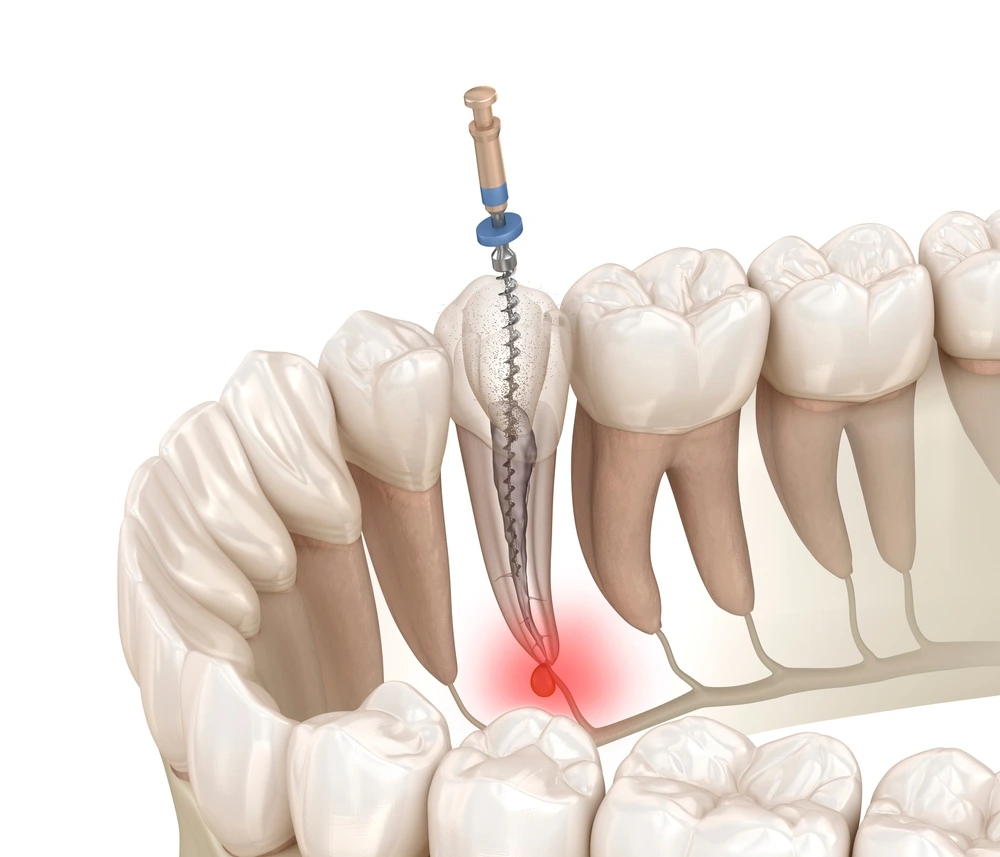
Root canal therapy is a vital procedure in modern dentistry, yet many patients don’t realize just how important it is for long-term oral health. At Buford Dental, your trusted dentist in Buford, we provide expert root canal care to save teeth, prevent infections, relieve pain, and maintain overall oral function. Understanding why this treatment matters can help you make informed decisions and protect your smile.
What Is Root Canal Therapy?
Root canal therapy involves removing infected or inflamed pulp from inside a tooth, cleaning the root canals, and sealing them to prevent reinfection. Often, the treated tooth is restored with a dental crown to strengthen and protect it for long-term function.
Although sometimes called “root canal treatment,” both terms describe the same life-saving procedure aimed at preserving natural teeth.
The Importance of Root Canal Therapy
1. Eliminates Infection and Prevents Spread
An infected tooth pulp can allow bacteria to spread to surrounding teeth, gums, or jawbone. Root canal therapy removes the infection and prevents serious complications. For the risks of delaying treatment, see our blog: What Happens if You Ignore a Dental Abscess.
2. Preserves Natural Teeth
Saving a natural tooth with root canal therapy maintains proper bite alignment, prevents shifting of adjacent teeth, and supports overall oral function. If extraction is unavoidable, dental implants can replace the tooth while preserving bone structure.
3. Relieves Pain and Discomfort
Infected pulp can cause severe pain, swelling, and sensitivity to hot or cold. Root canal therapy alleviates these symptoms effectively, allowing patients to resume normal activities and enjoy daily comfort.
4. Supports Long-Term Oral Function
After treatment, a same-day crown or permanent restoration protects the tooth and restores chewing, speaking, and smiling function. Maintaining your natural tooth is always preferable to extraction.
5. Prevents Bone Loss
Missing teeth or untreated infections can lead to jawbone deterioration. Root canal therapy protects bone structure, which is essential for maintaining facial structure and future restorative options such as dental implants vs. dentures.
6. Reduces the Need for More Invasive Treatments
By addressing the infection early, root canal therapy helps patients avoid more invasive procedures like extractions or extensive oral surgery.
The Root Canal Therapy Process
1. Examination & Imaging
Dentists use X-rays and advanced imaging to determine the extent of infection and plan treatment.
2. Local Anesthesia
Ensures a pain-free experience during the procedure. Sedation options are available for anxious patients.
3. Cleaning & Shaping Canals
The infected pulp is removed, and the canals are cleaned, shaped, and disinfected to prevent reinfection.
4. Filling & Sealing
Canals are filled with biocompatible material and sealed to protect against bacteria.
5. Restoration
A dental crown or other permanent restoration is placed to ensure strength, aesthetics, and long-term function.
6. Follow-Up Care
Routine dental visits ensure the treated tooth remains healthy. Preventive services like dental cleanings and exams help maintain overall oral health.
Benefits of Root Canal Therapy
- Saves your natural tooth
- Relieves severe pain and discomfort
- Prevents infection from spreading to other teeth or gums
- Preserves jawbone structure and facial integrity
- Supports chewing, speaking, and smiling
- Reduces the need for extraction or invasive procedures
- Enhances the success of restorative treatments like crowns and implants
FAQs About Root Canal Therapy
Q1: Is root canal therapy painful?
Modern anesthesia ensures the procedure is virtually painless. Mild discomfort may occur afterward but typically resolves quickly.
Q2: How long does the tooth last after therapy?
With proper care and restoration, root canal-treated teeth can last a lifetime.
Q3: Can children or teens need root canal therapy?
Yes. Pediatric root canal therapy is sometimes necessary for permanent teeth affected by infection or trauma. See pediatric dental services for more details.
Q4: Can a tooth become reinfected after treatment?
While rare, reinfection can occur if restoration is delayed or oral hygiene is poor. Routine visits to Buford Dental ensure early detection.
Q5: Can I combine root canal therapy with a dental implant if needed?
Yes. Sometimes, root canal therapy is performed before implant placement to ensure surrounding teeth are healthy. Learn more about dental implants.
Q6: How should I care for my tooth after treatment?
Brush and floss daily, avoid hard or sticky foods initially, and schedule follow-ups for proper monitoring.
Preserve Your Smile with Root Canal Therapy
Root canal therapy is more than a dental procedure; it’s a critical step in protecting your oral health, relieving pain, and saving your natural teeth. At Buford Dental, we combine expertise, advanced technology, and gentle care to ensure a comfortable, effective treatment experience.
Schedule your consultation today for expert root canal care and protect your teeth, jawbone, and overall oral health. Early intervention ensures a healthier, confident smile for years to come.
Contact Us
We encourage you to contact us with any questions or comments
Location: 1944 Braselton Hwy #107,
Contact: (770) 696-9450
Office Hours
Monday to Thursday: 7.00 AM to 4.00 PM
Fridays: By Appointment
Saturday & Sunday: Closed
Schedule Your Visit!
*First Name
*Last Name
Your Email
*Phone Number
*Preferred Appointment Date & Time
Comments
(Requested time is not final until you receive confirmation from our office) I allow this website to store my submission so they can respond to my inquiry
We are committed to providing quality healthcare to families located in the GA area and treating patients of all ages.


OVERVIEW
SERVICES
SUPPORT
© 2025 Buford Dental | All rights reserved | Privacy Policy | Website Design by Remedo