
When Should Your Child First Get Dental X-Rays?
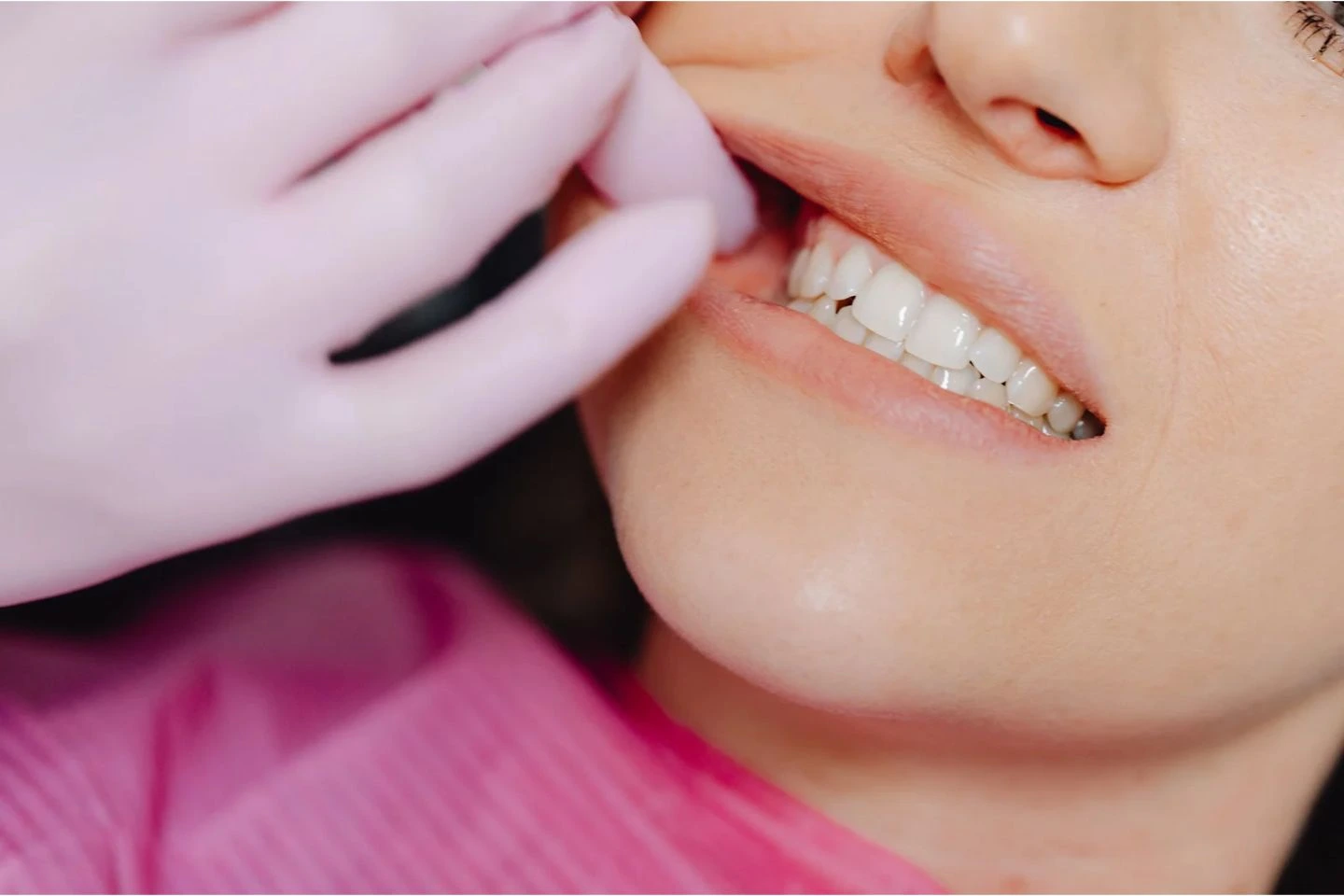
Have you ever wondered when your child should have their first dental X-rays? Many parents assume X-rays are only needed when a child has tooth pain or an obvious dental problem. However, dental X-rays can help dentists identify issues that may not be visible during a regular examination.
Dental X-rays allow the dentist to see areas beneath the gums and between the teeth. They can help detect developing cavities, monitor tooth development, evaluate the position of permanent teeth, and identify other concerns that may affect your child's oral health.
At Buford Dental, we use dental examinations and appropriate imaging to assess your child's developing smile and determine when X-rays may be helpful.
Why Might Children Need Dental X-Rays?
A visual dental examination can provide valuable information, but some parts of the mouth cannot be seen clearly just by looking.
Dental X-rays can help your child's dentist:
- Detect cavities between teeth
- Monitor the development of permanent teeth
- Check whether teeth are developing and erupting normally
- Evaluate the position of unerupted teeth
- Identify dental infections or abnormalities
- Assess the jawbone and surrounding structures
- Plan certain dental treatments
The need for X-rays depends on your child's age, dental development, oral health, and individual risk factors.
When Should Your Child Have Their First Dental X-Ray?
There is no single age when every child needs their first dental X-ray.
Instead, the timing is determined by the child's individual dental needs. Some children may not need X-rays during their first few dental visits, while others may benefit from imaging earlier if there is a specific concern.
Your child's dentist may recommend an X-ray when there is a clinical reason to look more closely at the teeth or developing structures.
For example, an X-ray may be considered if your child has:
- A history of tooth decay
- Teeth that are difficult to examine visually
- A suspected dental infection
- Delayed or unusual tooth eruption
- Crowding or concerns about developing permanent teeth
- A dental injury
- A need for treatment that requires additional imaging
Why Aren't Dental X-Rays Taken at Every Visit?
Dental X-rays are not automatically required at every appointment.
Your child's dentist considers whether an X-ray is likely to provide useful information that cannot be obtained through a clinical examination. The timing and type of X-ray can vary depending on the child's dental history and current needs.
This approach helps avoid unnecessary imaging while still allowing the dentist to identify problems that may otherwise go unnoticed.
What Can Dental X-Rays Show in Children?
Children's mouths are constantly developing. Baby teeth are gradually replaced by permanent teeth, and the position of developing teeth changes as they grow.
Dental X-rays can provide information about areas that cannot be seen during a routine examination.
They may show:
Developing Permanent Teeth
X-rays can help dentists monitor permanent teeth that are developing beneath the gums before they erupt.
Cavities Between Teeth
Some cavities develop between teeth and may not be visible during a visual examination. An X-ray can help identify these areas when appropriate.
Tooth Eruption
If a permanent tooth does not appear when expected, imaging can help the dentist evaluate its position and development.
Dental Infections
An X-ray may help identify changes around the roots or surrounding bone when an infection is suspected.
Jaw Development
Certain X-rays can provide information about the developing jaw and the position of the teeth.
Does Every Child Need the Same Type of X-Ray?
No. The type of dental X-ray recommended depends on what the dentist needs to evaluate.
For example, bitewing X-rays may be useful for checking for cavities between teeth, while other types of images may be considered when evaluating tooth development, eruption, injuries, or orthodontic concerns.
Your child's dentist will select the appropriate imaging based on the clinical situation rather than using the same X-ray schedule for every child.
Are Dental X-Rays Safe for Children?
Dental X-rays involve exposure to a small amount of radiation. Because children are more sensitive to radiation than adults, dental professionals take steps to limit exposure and recommend X-rays only when clinically appropriate.
Modern dental imaging can provide useful diagnostic information while using relatively low radiation doses.
Your child's dental team can also explain why an X-ray has been recommended and what information it is expected to provide.
What If Your Child Has Never Had a Dental X-Ray?
If your child has never had an X-ray, there is no need to assume that one should automatically be taken at the next appointment.
Instead, the dentist will consider factors such as your child's dental history, current oral health, tooth development, and any symptoms or concerns.
A child with healthy teeth and no specific concerns may have different imaging needs from a child with a history of cavities, delayed eruption, dental trauma, or other issues.
When Might a Child Need More Frequent X-Rays?
Some children may require dental X-rays more often than others.
A dentist may recommend additional imaging when a child has a higher risk of developing cavities, has a history of extensive dental treatment, is experiencing changes in tooth eruption, or is being evaluated for a specific dental concern.
The interval between X-rays should be based on the child's individual circumstances rather than a fixed schedule that applies to everyone.
What Should Parents Ask Before an X-Ray?
If your child's dentist recommends an X-ray, it is completely reasonable to ask questions.
You can ask:
- Why does my child need this X-ray?
- What are you looking for?
- Has my child had this type of X-ray before?
- Will the X-ray change the treatment plan?
- Are there any other ways to evaluate the concern?
- How often might my child need this type of imaging?
Understanding the purpose of an X-ray can help you feel more comfortable with your child's dental care.
What Happens During a Child's Dental X-Ray?
The process is generally quick. Depending on the type of X-ray, your child may need to bite gently on a small sensor or imaging device while the image is taken.
Your dental team will provide instructions and help your child remain comfortable and still during the process.
The dentist can then review the images alongside the clinical examination to determine whether any further treatment or monitoring is needed.
Can Dental X-Rays Help Find Problems Early?
Yes. One of the main benefits of dental X-rays is that they can reveal problems that may not yet be visible during a routine examination.
For children, this can be particularly useful because their teeth and jaws are developing continuously.
Identifying a concern early may allow the dentist to monitor it or address it before it becomes more complicated.
However, an X-ray is only one part of a child's dental assessment. The dentist will consider the child's symptoms, oral examination, dental history, and development when deciding what care is appropriate.
How Often Should Children Get Dental X-Rays?
There is no universal X-ray schedule for every child.
The frequency depends on factors such as:
Your Child's Cavity Risk
Children who are more likely to develop cavities may need imaging at different intervals from children with a low risk of decay.
Dental History
Previous cavities, restorations, infections, or other dental problems can influence future imaging needs.
Tooth Development
The stage of your child's dental development can affect which X-rays are useful.
Current Symptoms
Pain, swelling, dental trauma, or unusual tooth eruption may make an X-ray appropriate.
Treatment Needs
Children undergoing certain dental or orthodontic treatments may require specific images for diagnosis and planning.
Should Your Child Get Dental X-Rays During Their First Dental Visit?
Not necessarily.
A child's first dental visit is primarily an opportunity for the dentist to assess oral health, examine the teeth and gums, discuss oral hygiene, and understand the child's dental history.
If there is no clinical reason for an X-ray, the dentist may decide that imaging is not needed at that visit.
As your child's teeth develop, the dentist can reassess whether X-rays would provide useful information.
How Can Parents Prepare Their Child for Dental X-Rays?
Children may feel nervous when they hear that they need an X-ray. Simple preparation can make the experience easier.
You can:
- Explain that the X-ray helps the dentist see the teeth
- Avoid using words that may make the procedure sound frightening
- Tell your child that they will need to stay still briefly
- Allow the dental team to explain the process in child-friendly language
- Stay calm and reassuring during the appointment
A positive approach can help your child become more comfortable with dental visits over time.
When Should Your Child First Get Dental X-Rays?
There is no fixed age at which every child should receive their first dental X-ray. The decision should be based on the child's individual dental needs, risk factors, development, symptoms, and treatment requirements.
X-rays can provide valuable information about cavities, developing permanent teeth, tooth eruption, infections, and other concerns that may not be visible during a routine examination.
At Buford Dental, we can evaluate your child's oral health and determine whether dental X-rays are appropriate based on their individual needs. If imaging is recommended, we can also explain what the X-ray will help us assess and how it fits into your child's overall dental care.
FAQs About Dental X-Rays for Children
Q: What age should a child first get dental X-rays?
A: There is no specific age that applies to every child. X-rays are recommended based on individual dental development, cavity risk, symptoms, and clinical needs.
Q: Does every child need dental X-rays?
A: Not necessarily. Your child's dentist will determine whether imaging is appropriate based on their dental history and current oral health.
Q: Can dental X-rays detect cavities in children?
A: Yes. Certain dental X-rays can help identify cavities, including decay that may develop between teeth and cannot be easily seen during a visual examination.
Q: Are dental X-rays safe for children?
A: Dental X-rays use a small amount of radiation. Dental professionals consider the child's individual needs and recommend imaging when the expected diagnostic benefit makes it appropriate.
Q: How often should my child have dental X-rays?
A: There is no universal schedule. The frequency depends on factors such as cavity risk, dental history, tooth development, symptoms, and treatment needs.
Q: Can an X-ray show permanent teeth before they come in?
A: Yes. Dental X-rays can help dentists evaluate permanent teeth that are developing beneath the gums.
Q: Does my child need an X-ray at every dental appointment?
A: No. X-rays are not routinely required at every visit. Your dentist will recommend imaging when it can provide useful information for your child's care.
Q: What if my child is nervous about getting an X-ray?
A: Explain that the process is quick and helps the dentist see the teeth more clearly. The dental team can also guide your child through the process and help them feel comfortable.
Contact Us
We encourage you to contact us with any questions or comments
Location: 1944 Braselton Hwy #107,
Contact: (770) 696-9450
Office Hours
Monday to Thursday: 7.00 AM to 4.00 PM
Fridays: By Appointment
Saturday & Sunday: Closed
Schedule Your Visit!
*First Name
*Last Name
Your Email
*Phone Number
*Preferred Appointment Date & Time
Comments
(Requested time is not final until you receive confirmation from our office) I allow this website to store my submission so they can respond to my inquiry
We are committed to providing quality healthcare to families located in the GA area and treating patients of all ages.


OVERVIEW
SERVICES
SUPPORT
© 2025 Buford Dental | All rights reserved | Privacy Policy | Website Design by Remedo