
The Truth About Root Canals: 10 Myths That Still Scare Patients
Few dental treatments have a reputation quite like root canals. Many patients associate them with severe pain, lengthy appointments, or complicated recovery. In reality, much of the fear surrounding root canal treatment comes from outdated information and common misconceptions.
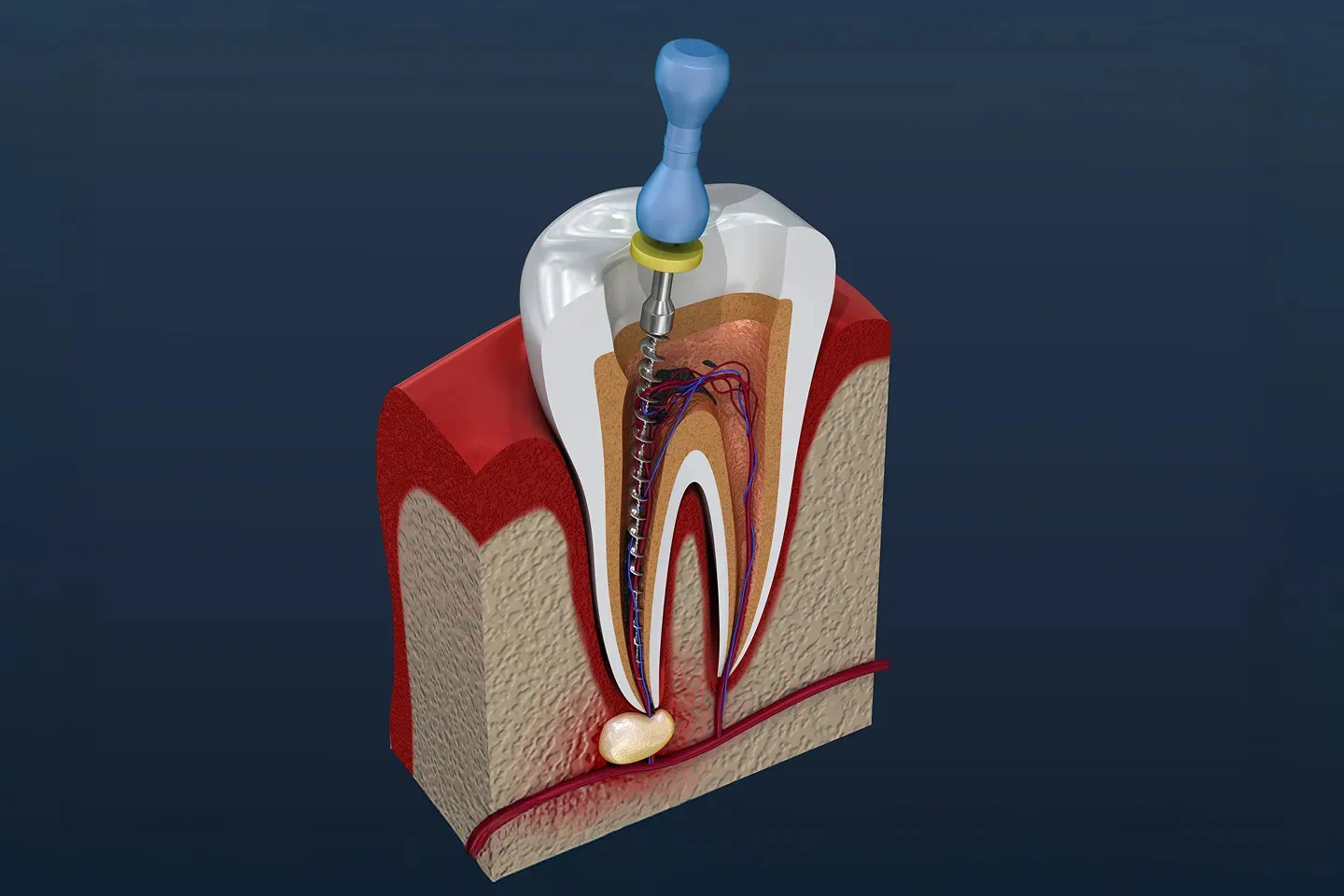
A root canal is a procedure used to treat a tooth when the soft tissue inside it, known as the dental pulp, becomes inflamed or infected. Treating the tooth can help remove the source of the problem while allowing the natural tooth to remain in place.
At Buford Dental, we help patients understand what root canal treatment actually involves so they can make informed decisions about their dental care.
What Is a Root Canal?
Inside every tooth is a space containing nerves, blood vessels, and connective tissue called the pulp. Deep decay, cracks, trauma, or repeated dental procedures can sometimes damage this tissue.
During root canal treatment, the dentist removes the affected pulp, cleans and disinfects the inside of the tooth, and then seals it to help prevent further infection. The tooth may then be restored with a dental crown or another appropriate restoration.
But before discussing treatment, let's clear up some of the most common myths.
Myth #1: Root Canals Are Extremely Painful
This is probably the most common misconception.
Modern root canal treatment is performed using local anaesthesia to numb the tooth and surrounding area. The goal of treatment is to remove the damaged or infected tissue that is causing the problem.
Some soreness may occur after treatment, but severe pain is not an expected part of the procedure.
Myth #2: You Should Avoid a Root Canal and Just Have the Tooth Removed
Extraction is sometimes necessary, but it is not automatically the better option.
When a natural tooth can be successfully treated and restored, preserving it may help maintain normal chewing function and avoid creating a gap in the smile.
Removing a tooth also means that replacement treatment may eventually be needed, such as an implant, bridge, or partial denture.
Your dentist can determine whether the tooth can reasonably be saved based on its condition.
Myth #3: Root Canals Cause Illness
There is no reliable evidence that properly performed root canal treatment causes systemic illness.
The purpose of the procedure is to remove infected or inflamed tissue from inside the tooth, clean the root canal system, and seal the tooth.
Leaving an infected tooth untreated can allow the dental infection to continue or spread, which is why appropriate evaluation and treatment are important.
Myth #4: If My Tooth Doesn't Hurt, I Don't Need a Root Canal
Not every tooth requiring root canal treatment causes obvious pain.
An infected or damaged tooth may sometimes produce mild symptoms or no noticeable symptoms at all. A dentist may identify a problem through an examination or dental imaging before significant pain develops.
Other possible warning signs include:
- Sensitivity that lingers after hot or cold foods
- Pain when biting
- Swelling around the tooth
- Gum tenderness
- A darkened tooth
- A recurring pimple or drainage near the gums
Myth #5: Root Canals Take Several Long Appointments
Treatment time varies depending on the tooth and the complexity of the case.
Some root canals can be completed in one appointment, while others may require additional visits. Factors such as the number of roots, the condition of the tooth, and the presence of infection can affect treatment time.
Your dentist can explain the expected process after examining your tooth.
Myth #6: A Root Canal Means the Tooth Is Basically Dead
The pulp inside the tooth is removed during a root canal, but the tooth itself remains in your mouth and continues to function.
After the treatment, the tooth can still be used for biting and chewing. It simply no longer contains the infected or inflamed pulp tissue that was causing the problem.
A proper final restoration is important to protect the treated tooth from further damage.
Myth #7: Root Canals Are Only Needed for Severe Cavities
Deep decay is one common reason for root canal treatment, but it is not the only one.
A tooth may require treatment because of:
- A deep cavity
- A crack or fracture
- Trauma or injury
- Repeated dental procedures
- Damage to the pulp
Even a tooth that does not have a large visible cavity can sometimes develop internal pulp damage.
Myth #8: Root Canal Treatment Always Fails Eventually
A properly treated and restored tooth can remain functional for many years.
However, like natural teeth, root canal-treated teeth still require good oral hygiene and regular dental care. New decay, cracks, gum disease, or problems with the restoration can affect the tooth later.
Regular dental visits allow your dentist to monitor the treated tooth and surrounding structures.
Myth #9: Extraction Is Always Cheaper Than a Root Canal
An extraction may have a lower initial cost, but removing the tooth can create a need for replacement.
Depending on your situation, replacing the missing tooth could involve a dental implant, bridge, or partial denture. These additional treatments can add to the overall cost.
When a tooth can be predictably saved, preserving it may be worth considering before choosing extraction.
Myth #10: Once the Pain Stops, the Problem Is Gone
Pain disappearing does not necessarily mean the underlying dental problem has resolved.
In some cases, symptoms can decrease even though the damaged or infected pulp remains inside the tooth. The infection can continue without causing the same level of discomfort.
If you have experienced unexplained tooth pain, swelling, or prolonged sensitivity, a dental examination is important even if the symptoms have recently improved.
When Should You See a Dentist?
Do not wait for severe pain before getting a dental problem evaluated.
Contact your dentist if you experience:
- Persistent toothache
- Pain when biting
- Lingering sensitivity
- Swelling around a tooth
- Gum tenderness
- A broken or cracked tooth
- Recurring symptoms in the same area
Early evaluation can help determine whether the tooth needs a root canal, another type of treatment, or simply monitoring.
At Buford Dental, we evaluate painful and damaged teeth and explain the available treatment options based on your individual needs.
FAQs About Root Canals
Q: Does a root canal hurt?
A: Local anaesthesia is used during treatment to numb the area. Some soreness may occur afterward, but the procedure itself should not be expected to cause severe pain.
Q: Can a root canal save my natural tooth?
A: In many cases, root canal treatment is used specifically to remove damaged or infected pulp while allowing the natural tooth to remain.
Q: How long does a root canal take?
A: Treatment time varies depending on the tooth and the complexity of the case. Some treatments can be completed in one visit, while others require additional appointments.
Q: Does every toothache require a root canal?
A: No. Tooth pain can have many causes. A dental examination is necessary to determine what is causing your symptoms and what treatment is appropriate.
Q: What happens if I don't treat an infected tooth?
A: An untreated dental infection may worsen and can affect the surrounding tissues. Prompt dental evaluation can help determine the appropriate treatment.
Q: Can a root canal-treated tooth get a cavity again?
A: Yes. The tooth can still develop decay, particularly around or under a restoration. Good oral hygiene and regular dental visits remain important.
Contact Us
We encourage you to contact us with any questions or comments
Location: 1944 Braselton Hwy #107,
Contact: (770) 696-9450
Office Hours
Monday to Thursday: 7.00 AM to 4.00 PM
Fridays: By Appointment
Saturday & Sunday: Closed
Schedule Your Visit!
*First Name
*Last Name
Your Email
*Phone Number
*Preferred Appointment Date & Time
Comments
(Requested time is not final until you receive confirmation from our office) I allow this website to store my submission so they can respond to my inquiry
We are committed to providing quality healthcare to families located in the GA area and treating patients of all ages.


OVERVIEW
SERVICES
SUPPORT
© 2025 Buford Dental | All rights reserved | Privacy Policy | Website Design by Remedo