
Minimally Invasive Implant Techniques
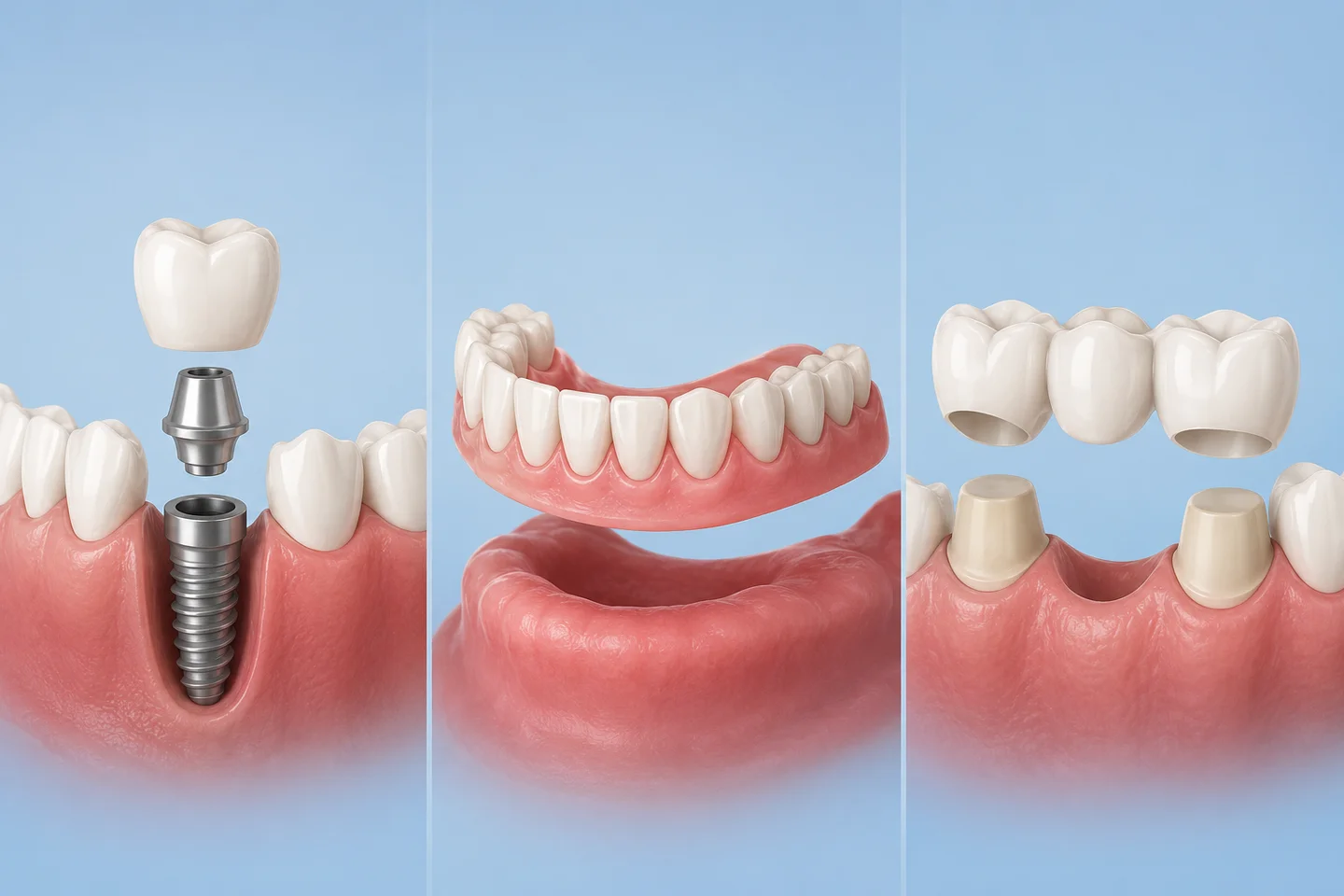
Dental implants have transformed the way missing teeth are replaced, offering a durable, natural-looking solution that restores both function and confidence. Thanks to advances in dental technology, implant treatment has also become more comfortable than ever before. One of the biggest innovations is the use of minimally invasive implant techniques, which allow many patients to receive dental implants with smaller incisions, less discomfort, and faster recovery.
If you are considering dental implants, you may wonder whether a minimally invasive approach is right for you. Understanding how these techniques work can help you feel more confident about your treatment options. At Buford Dental, we use advanced digital technology and careful treatment planning to provide precise implant placement while making the procedure as comfortable as possible for our patients.
What Are Minimally Invasive Dental Implant Techniques?
Traditional dental implant surgery often involves making larger incisions in the gum tissue to expose the jawbone before placing the implant.
Minimally invasive implant techniques, sometimes called flapless implant surgery, use advanced digital imaging and guided technology to place implants through a much smaller opening in the gum whenever clinically appropriate. Because less tissue is disturbed during the procedure, patients often experience a smoother recovery with reduced swelling and discomfort.
Not every patient is a candidate for this approach, but it can be an excellent option for many individuals with adequate bone volume and healthy gums. If you have multiple missing teeth or are looking for comprehensive tooth replacement options, you might also consider exploring how All-on-4 dental implants can restore your smile efficiently.
How Does the Procedure Work?
Before treatment begins, your dentist performs a comprehensive evaluation using digital X-rays and 3D CBCT imaging to assess your jawbone, surrounding structures, and implant site. If structural issues or severe decay are present in adjacent teeth, treatments like root canal therapy may be discussed to ensure your overall oral health is stabilized first.
Using detailed diagnostic information, a customized treatment plan is created to determine the ideal implant position. During the procedure, your dentist may:
- Use computer-guided implant planning.
- Create a small opening instead of a larger gum flap.
- Precisely place the titanium implant into the jawbone.
- Minimize trauma to surrounding tissues.
This precise approach helps preserve healthy bone and gum tissue while supporting long-term implant success.
Benefits of Minimally Invasive Implant Techniques
Many patients appreciate the advantages that minimally invasive implant placement can offer over traditional methods.
Less Discomfort
Smaller incisions generally result in less post-operative discomfort compared to traditional surgical approaches. Most patients report only mild soreness that improves within a few days.
Reduced Swelling and Bleeding
Because less soft tissue is disturbed, swelling and minor bleeding are often reduced, making recovery more comfortable.
Faster Healing
With fewer tissues affected during surgery, the gums often heal more quickly, allowing patients to return to their normal routines sooner.
Greater Precision
Digital treatment planning allows implants to be positioned accurately based on each patient's unique anatomy, helping optimize function and long-term stability.
Improved Patient Experience
Many patients appreciate that the procedure is less invasive, helping reduce anxiety about implant treatment. If cosmetic alignment is also a goal for your smile journey, you may want to look into Invisalign options after your implant has fully healed.
Who Is a Good Candidate for Minimally Invasive Dental Implants?
Although minimally invasive techniques offer many advantages, they are not suitable for every patient. You may be a good candidate if you have:
- Good overall oral health and consistent preventive dentistry habits.
- Healthy gum tissue without active gum disease.
- Sufficient jawbone density to support the implant.
- Good general health.
Patients who require extensive bone grafting or have significant bone loss may still benefit from traditional implant surgery or a staged treatment approach. Additionally, ensuring your smile is free of active decay through routine dental fillings is a vital prerequisite to any major implant procedure. A thorough consultation helps determine the safest and most effective option for your individual needs.
What Is Recovery Like?
One reason many patients choose minimally invasive implant techniques is the shorter and more comfortable recovery period. After treatment, you may experience:
- Mild tenderness
- Minor swelling
- Slight bruising
- Temporary sensitivity
Most patients return to work and daily activities within one to two days, although healing varies depending on the number of implants placed and each person's overall health. As with all dental implants, the implant will continue to integrate with the jawbone through osseointegration over the following three to six months before the final restoration, such as a custom dental crown, is placed.
Caring for Your Dental Implant After Surgery
Following your dentist's post-operative instructions plays an important role in successful healing. Helpful aftercare tips include:
- Brush and floss gently around the treatment area.
- Eat soft foods during the first few days.
- Avoid smoking and tobacco products.
- Take prescribed medications as directed.
- Attend scheduled follow-up appointments.
- Avoid chewing directly on the implant site during early healing.
Maintaining excellent oral hygiene helps protect the implant and surrounding gums. If you ever experience a sudden issue during your recovery or have concerns about your restorative hardware, do not hesitate to contact an emergency dentist right away.
Are Minimally Invasive Dental Implants as Successful?
Yes. When carefully planned and performed for appropriate candidates, minimally invasive implant techniques have success rates comparable to traditional implant placement.
Long-term success depends on several factors, including proper diagnosis, precise implant placement, good oral hygiene, regular dental visits, and the patient's overall health. Your dentist will recommend the treatment approach that offers the highest likelihood of long-term success based on your specific needs.
Why Choose Dental Implants?
Dental implants remain one of the most predictable and durable options for replacing missing teeth because they:
- Restore chewing ability and support clear speech.
- Help preserve jawbone health.
- Prevent neighboring teeth from shifting.
- Look and feel like natural teeth.
- Can last for many years with proper care.
For many patients, minimally invasive techniques make the implant experience even more comfortable while delivering the same long-lasting benefits. If you are considering dental implants, the team at Buford Dental can evaluate your oral health, discuss your treatment options, and determine whether minimally invasive implant placement is the right solution for restoring your smile.
FAQs About Minimally Invasive Dental Implants
Q: Are minimally invasive dental implants painful?
A: Most patients experience only mild discomfort during recovery. Local anesthesia is used during the procedure, and any soreness is usually manageable with recommended pain medication.
Q: How long does minimally invasive implant surgery take?
A: A single implant procedure often takes about 30 to 60 minutes, although treatment time varies depending on the number of implants being placed and the complexity of the case.
Q: Will I recover faster with minimally invasive implant techniques?
A: Many patients experience less swelling, reduced discomfort, and quicker healing compared to traditional implant surgery, although recovery varies for each individual.
Q: Can everyone receive flapless dental implants?
A: No. Your dentist will evaluate your bone volume, gum health, and overall oral condition to determine whether you are a suitable candidate.
Q: How successful are minimally invasive dental implants?
A: When performed for appropriately selected patients, minimally invasive implant techniques have excellent long-term success rates and provide a stable foundation for replacement teeth.
Contact Us
We encourage you to contact us with any questions or comments
Location: 1944 Braselton Hwy #107,
Contact: (770) 696-9450
Office Hours
Monday to Thursday: 7.00 AM to 4.00 PM
Fridays: By Appointment
Saturday & Sunday: Closed
Schedule Your Visit!
*First Name
*Last Name
Your Email
*Phone Number
*Preferred Appointment Date & Time
Comments
(Requested time is not final until you receive confirmation from our office) I allow this website to store my submission so they can respond to my inquiry
We are committed to providing quality healthcare to families located in the GA area and treating patients of all ages.


OVERVIEW
SERVICES
SUPPORT
© 2025 Buford Dental | All rights reserved | Privacy Policy | Website Design by Remedo