
How Often Should I Have a Dental Checkup?
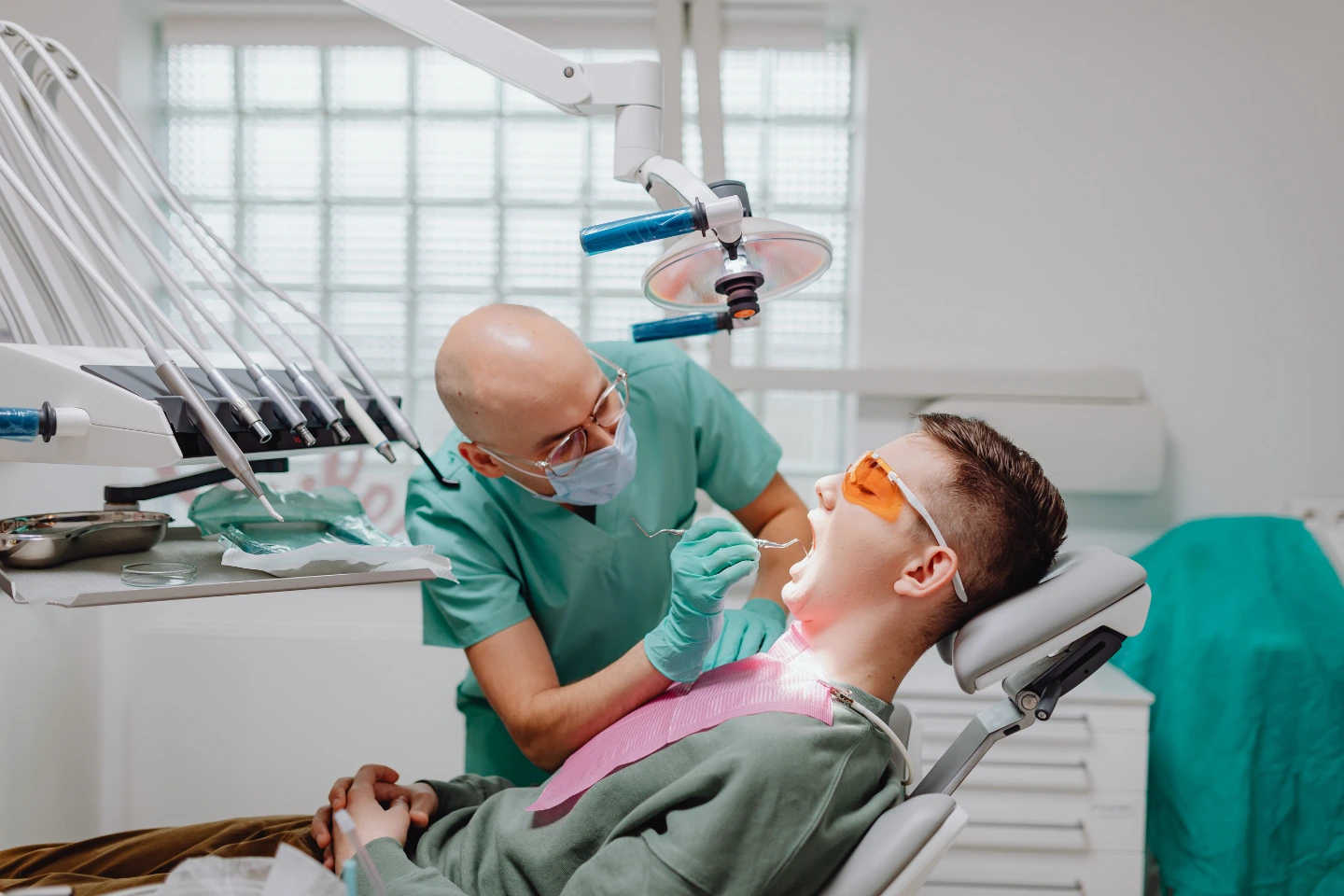
Many people wait until something feels wrong before scheduling a dental visit. A tooth starts hurting, gums bleed while brushing, or chewing feels uncomfortable. While these signs should never be ignored, they usually mean a problem has already been developing for some time.
Dental checkups are meant to prevent these situations, not just respond to them. Knowing how often you should visit the dentist plays a big role in keeping your teeth and gums healthy over the long term.
Why regular dental checkups matter?
Your mouth can hide problems well. Cavities often start without pain. Gum disease usually develops quietly. Even infections can grow below the surface before you notice anything unusual.
Regular dental checkups allow your dentist to identify early changes that are easy to miss at home. Small issues can be treated before they turn into larger, more expensive problems. This is one of the main reasons routine visits are so important.
The six-month dental visit guideline
For most adults and children, visiting the dentist every six months is recommended. This schedule allows plaque and tartar to be removed before they damage teeth or gums. It also gives your dentist enough time to monitor changes in your oral health.
Six months is not a random number. It strikes a balance between prevention and practicality. For many people, it helps keep cavities, gum disease, and other issues under control.
That said, six months is a guideline, not a strict rule.
When do you need dental checkups more often?
Some people benefit from more frequent dental visits. This is usually based on risk factors rather than age.
You may need checkups every three to four months if you have:
• Gum disease or a history of periodontal problems
• Frequent cavities
• Dry mouth caused by medication or health conditions
• Diabetes or a weakened immune system
• A history of smoking
• Extensive dental work such as crowns, bridges, or implants
More frequent visits help control bacteria, monitor healing, and prevent small concerns from becoming serious.
When might fewer visits be recommended?
A small number of patients with excellent oral health may not need to visit as often. This usually applies to people with strong enamel, healthy gums, and no history of decay or gum disease.
This decision should always be made by a dentist after reviewing your dental history. Skipping checkups without professional guidance can allow problems to develop unnoticed.
What happens during a dental checkup?
A routine dental checkup includes more than just cleaning your teeth. Your dentist examines your teeth for decay, checks your gums for inflammation or recession, and looks at how your teeth fit together. Professional cleanings remove plaque and tartar that brushing and flossing cannot.
Dental X-rays may be taken when needed to check areas below the surface. Soft tissue screenings are also performed to look for unusual changes in the mouth.
Over time, these visits help create a clear picture of your oral health, making it easier to spot changes early.
Why waiting for pain is not a good idea?
Pain is not a reliable indicator of dental health. Many serious dental problems do not hurt until they are advanced. By the time pain appears, treatment is often more involved.
Regular dental checkups reduce the risk of emergencies and help keep dental care predictable rather than urgent.
Long-term benefits of regular dental visits
Consistent dental checkups help:
• Protect natural teeth
• Maintain healthy gums and bone
• Extend the life of dental restorations
• Reduce the need for emergency treatment
• Save time and money over the long term
Patients who stay consistent with their dental visits often experience fewer major dental issues as they age.
Frequently Asked Questions
How often should I have a dental checkup?
Most people should have a dental checkup every six months. Some may need more frequent visits based on gum health, medical conditions, or dental history.
Is a dental checkup necessary if my teeth feel fine?
Yes. Many dental problems do not cause pain in their early stages. Regular checkups help detect issues before symptoms appear.
What is included in a routine dental checkup?
A dental checkup usually includes an exam, professional cleaning, gum evaluation, and oral cancer screening. X-rays are taken only when necessary.
Can regular dental visits really prevent major problems?
Yes. Preventive care and early detection significantly reduce the risk of complex and costly dental treatments.
Conclusion
For most people, a dental checkup every six months provides the right level of preventive care. Some patients need more frequent visits, while others may need less. The best schedule depends on your individual oral health and risk factors.
Regular dental checkups are not about waiting for pain. They are about protecting your teeth, gums, and overall health before problems have a chance to develop. Staying consistent with dental visits is one of the simplest ways to maintain a healthy smile for life.
Contact Us
We encourage you to contact us with any questions or comments
Location: 1944 Braselton Hwy #107,
Contact: (770) 696-9450
Office Hours
Monday to Thursday: 7.00 AM to 4.00 PM
Fridays: By Appointment
Saturday & Sunday: Closed
Schedule Your Visit!
*First Name
*Last Name
Your Email
*Phone Number
*Preferred Appointment Date & Time
Comments
(Requested time is not final until you receive confirmation from our office) I allow this website to store my submission so they can respond to my inquiry
We are committed to providing quality healthcare to families located in the GA area and treating patients of all ages.


OVERVIEW
SERVICES
SUPPORT
© 2025 Buford Dental | All rights reserved | Privacy Policy | Website Design by Remedo