
Healthy Baby Teeth Matter: How They Affect Your Child's Permanent Smile
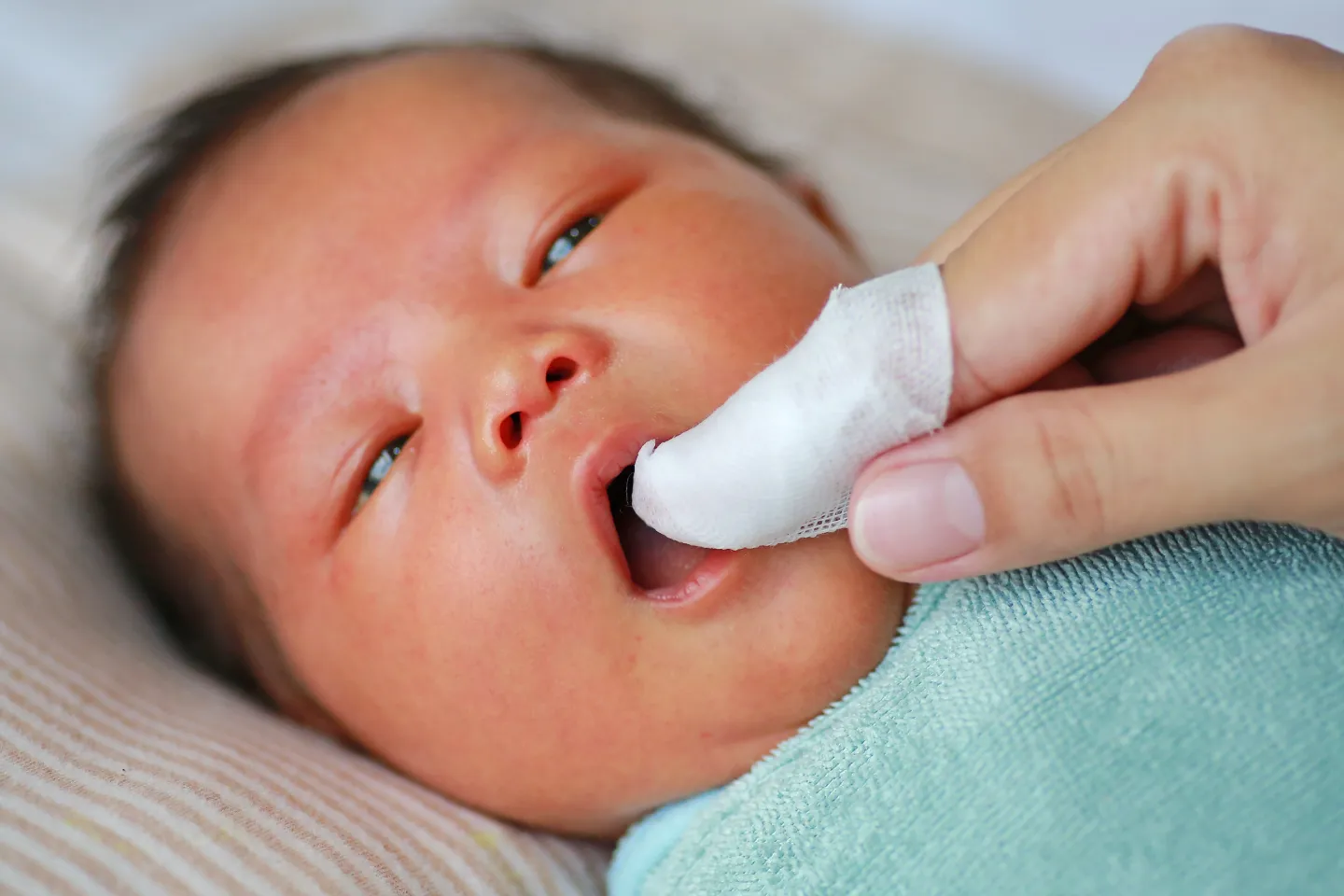
Baby teeth are temporary, but that does not mean they are unimportant. Many parents assume that cavities in baby teeth do not matter because those teeth will eventually fall out. In reality, healthy primary teeth play an important role in your child's ability to eat, speak, and maintain space for permanent teeth.
At Buford Dental, we help families understand why caring for baby teeth is an important part of building a healthy foundation for their child's developing smile.
Why Are Baby Teeth Important?
Children typically develop 20 primary teeth. These teeth help children chew food, develop speech, and maintain the spaces needed for their permanent teeth.
Baby teeth also help children become comfortable with daily oral hygiene routines from an early age.
Even though they are temporary, they can remain in the mouth for several years before naturally being replaced.
What Happens When a Baby Tooth Develops a Cavity?
A cavity in a baby tooth can cause pain, sensitivity, difficulty eating, or an infection if it becomes advanced.
Because children may not always explain dental discomfort clearly, parents may not realize there is a problem until it becomes more noticeable.
Signs to watch for include:
- Tooth sensitivity
- Pain while eating
- Avoiding certain foods
- Visible spots or holes on a tooth
- Swollen gums
- Complaints of toothache
- Difficulty sleeping because of dental discomfort
A child's dentist can determine whether the tooth needs monitoring, a filling, or another form of treatment.
Can Baby Teeth Affect Permanent Teeth?
Yes. Baby teeth help maintain the space needed for permanent teeth developing underneath them.
If a baby tooth is lost significantly earlier than expected because of decay or another problem, neighbouring teeth can sometimes shift into the available space. This may reduce the room available for the permanent tooth.
In some cases, your child's dentist may recommend a space maintainer to help preserve the area until the permanent tooth is ready to emerge.
What If a Baby Tooth Is Infected?
An untreated infection in a baby tooth should not be ignored.
Primary teeth have developing permanent teeth underneath them, and a significant infection can potentially affect the surrounding area. Treatment depends on the tooth, the child's age, the extent of the problem, and how close the permanent tooth is to erupting.
The goal is to protect your child's comfort and oral health while allowing normal dental development to continue.
When Should Your Child First Visit the Dentist?
The American Dental Association recommends that children visit a pediatric dentist by their first birthday or within six months of their first tooth appearing.
Early dental visits allow your dentist to check how the teeth and jaws are developing and help parents establish appropriate brushing, fluoride, dietary, and preventive care routines.
Early visits can also help children become familiar with the dental office before they develop a significant dental problem.
How Can Parents Protect Baby Teeth?
Good habits at home make a major difference.
Parents should:
- Brush their child's teeth twice daily with fluoride toothpaste.
- Help young children brush until they have the coordination to do it effectively themselves.
- Clean between teeth when appropriate.
- Limit frequent exposure to sugary foods and drinks.
- Encourage water between meals.
- Schedule regular dental examinations.
- Address dental pain or visible changes promptly.
For children who still use a bottle or sippy cup, avoid routinely putting them to bed with milk, formula, juice, or other sugary liquids.
What About Losing Baby Teeth Naturally?
Baby teeth are designed to fall out as permanent teeth develop and move into position.
The roots of primary teeth gradually resorb, allowing the tooth to become loose and eventually fall out. The permanent tooth can then emerge into the space.
This natural process is different from losing a baby tooth prematurely because of decay, infection, or trauma.
Can Healthy Baby Teeth Make Dental Visits Easier?
Regular dental care from an early age can help children become familiar with the sights, sounds, and routines of a dental office.
Preventive visits also give the dentist opportunities to identify problems before they become more serious.
At Buford Dental, we focus on helping children develop positive dental habits while monitoring their growing smiles.
Why Baby Teeth Deserve Attention
Baby teeth may eventually be replaced, but they serve important purposes while they are present. Keeping them healthy can support comfortable eating and speaking, preserve space for developing permanent teeth, and help children establish lifelong oral hygiene habits.
Taking care of your child's baby teeth today is an important part of caring for the permanent smile that comes next.
FAQs About Baby Teeth
Q: Do cavities in baby teeth really matter if they will fall out?
A: Yes. Untreated cavities can cause pain, infection, and other dental problems. Baby teeth also help maintain space for permanent teeth.
Q: Can a cavity in a baby tooth affect the permanent tooth?
A: A significant infection in a primary tooth can affect the surrounding developing structures, so dental problems should be evaluated promptly.
Q: When should my child first see a dentist?
A: Children should generally have their first dental visit by their first birthday or within six months of their first tooth appearing.
Q: Should parents help children brush their teeth?
A: Young children often need parental assistance because they may not yet have the coordination needed to clean all tooth surfaces effectively.
Q: What should I do if my child's baby tooth becomes painful?
A: Contact your child's dentist for an evaluation. Pain can have several causes and should not be ignored simply because the tooth is temporary.
Contact Us
We encourage you to contact us with any questions or comments
Location: 1944 Braselton Hwy #107,
Contact: (770) 696-9450
Office Hours
Monday to Thursday: 7.00 AM to 4.00 PM
Fridays: By Appointment
Saturday & Sunday: Closed
Schedule Your Visit!
*First Name
*Last Name
Your Email
*Phone Number
*Preferred Appointment Date & Time
Comments
(Requested time is not final until you receive confirmation from our office) I allow this website to store my submission so they can respond to my inquiry
We are committed to providing quality healthcare to families located in the GA area and treating patients of all ages.


OVERVIEW
SERVICES
SUPPORT
© 2025 Buford Dental | All rights reserved | Privacy Policy | Website Design by Remedo