
Gold vs. Ceramic Dental Fillings: Pros and Cons
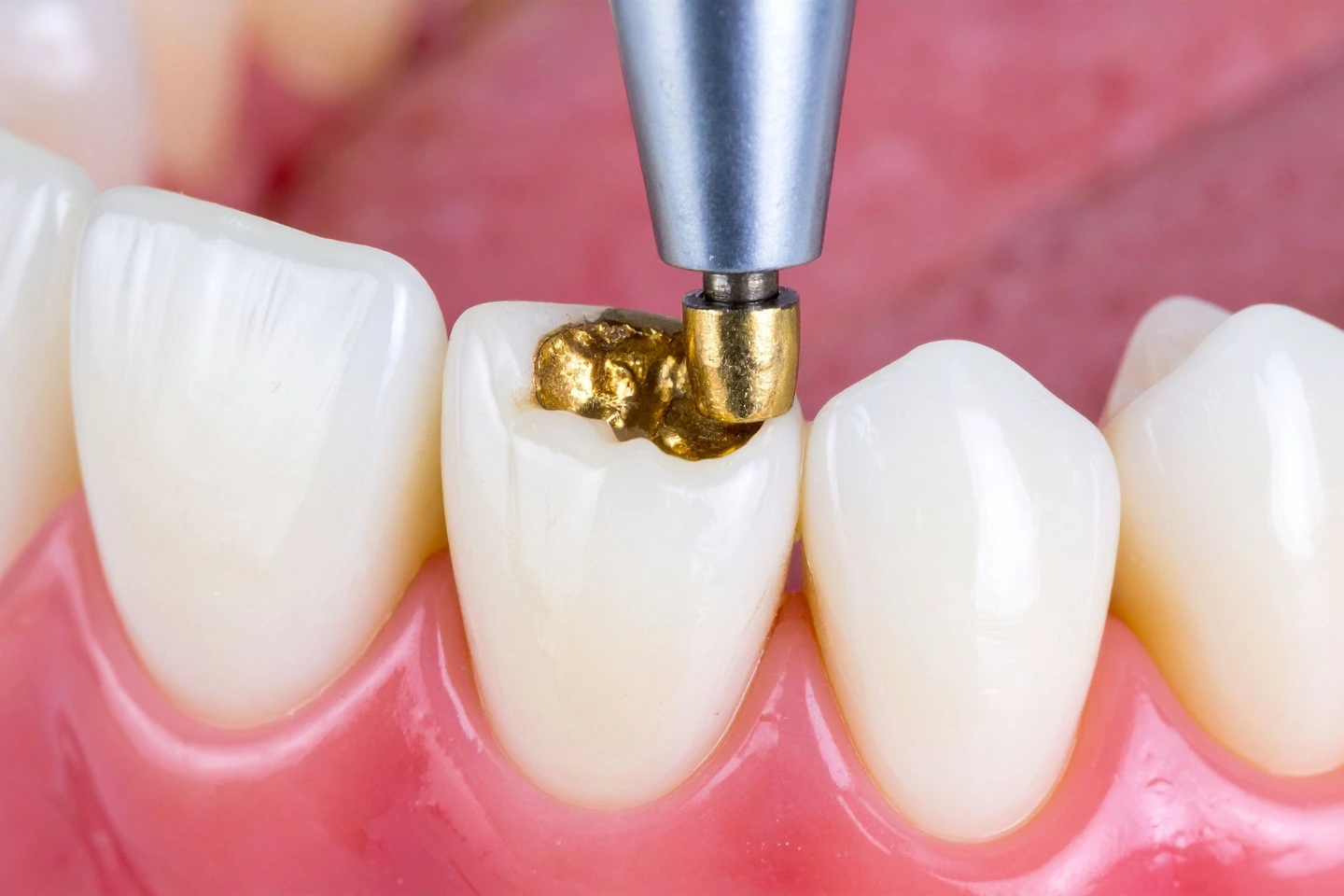
Most people are familiar with common dental fillings like tooth-colored composite or silver fillings. Gold and ceramic fillings usually come up later in the conversation, often when a dentist is looking for something more specific. Maybe a filling needs extra strength. Maybe appearance matters more. Maybe the tooth has already been worked on before.
When patients hear these options, the reaction is usually the same. Why would anyone choose gold? Is ceramic just a cosmetic upgrade? Are these fillings really better, or just different?
The honest answer is that both gold and ceramic fillings have their place. Neither one is automatically the best. The right choice depends on the tooth, how much pressure it takes, and what matters most to you in the long run.
Why do dentists still use different filling materials?
Teeth do not all behave the same way. Back teeth handle most of the chewing. Front teeth are more visible. Some cavities are small and simple. Others involve a larger portion of the tooth and need extra support.
Because of this, no single filling material works perfectly in every situation. Gold and ceramic fillings are usually considered when strength, longevity, or appearance is especially important.
What are gold dental fillings?
Gold fillings are often misunderstood. They are not pure gold placed directly into the tooth. They are made from a gold alloy that includes other metals to improve strength.
These fillings are custom-made outside the mouth and cemented into place later. That extra step is part of why gold fillings tend to fit very precisely.
Gold has been used in dentistry for a long time, and not because of tradition alone. It performs extremely well under pressure.
Why do some patients still choose gold fillings?
The biggest reason is durability. Gold fillings last a long time. Many decades without needing replacement.
Gold is also very stable. It does not crack easily and handles chewing forces better than many other materials. It wears at a rate similar to natural tooth enamel, which is easier on your bite.
Another advantage is predictability. Gold does not stain, corrode, or change shape much over time. Once it is placed, it tends to stay exactly as it is.
Downsides of gold fillings
The appearance is the most obvious drawback. Gold fillings are visible. Some patients like the look. Others prefer something more subtle.
Cost is another factor. Gold fillings are usually more expensive because of the material cost and lab work. They also typically require more than one appointment.
For patients who want something quick and discreet, gold may not feel like the right fit.
What are ceramic dental fillings made of?
Ceramic fillings are usually made from porcelain or similar materials. They are designed to match the color of natural teeth and maintain that appearance over time.
Like gold fillings, ceramic fillings are often made outside the mouth and bonded into place later. This allows for careful shaping and a smooth finish.
Ceramic is often chosen when patients want a filling that looks natural but offers more strength than a basic composite filling.
Why do patients choose ceramic fillings?
Appearance is a big reason. Ceramic fillings blend in very well and resist staining better than some other materials.
They are also strong. While ceramic is more brittle than gold, it still holds up well for many patients, especially when used in the right location.
Ceramic fillings are metal-free, which some patients prefer for personal or health-related reasons.
Limitations of ceramic fillings
Ceramic does not handle extreme pressure as well as gold. In patients who grind their teeth or put heavy force on certain areas, ceramic may be more likely to crack over time.
Cost can also be a concern. Ceramic fillings are usually more expensive than composite fillings and may require more than one visit.
In some cases, slightly more tooth structure may need to be removed compared to bonded composite fillings.
Comfort and sensitivity
Both gold and ceramic fillings are generally comfortable once placed.
Gold tends to cause less long-term sensitivity because it is stable and gentle on the tooth. Ceramic may cause mild sensitivity at first, especially if the cavity was deep, but this usually fades.
Ongoing pain is not typical with either material and should always be checked.
Which option works better for which teeth?
Gold fillings are often best suited for back teeth that take a lot of chewing pressure and are not visible when you smile. They are ideal for patients who value longevity over appearance.
Ceramic fillings work well when appearance matters and when the tooth still has enough structure to support the material.
The location of the tooth and how you use it matter more than the material name.
Thinking about cost in the long term
Gold fillings cost more upfront, but their long lifespan can make them cost-effective over time.
Ceramic fillings also cost more than standard fillings, but many patients feel the natural appearance is worth it.
Looking only at the initial price can be misleading. Longevity and performance matter just as much.
Frequently Asked Questions
Are gold fillings still common?
They are less common than before, but they are still used when durability is a priority.
Do ceramic fillings look more natural than composite fillings?
They tend to hold their color better over time, especially for larger restorations.
Are gold fillings safe?
Yes. Dental gold alloys have been used safely for many years.
Which filling lasts longer?
Gold usually lasts the longest, but ceramic can also perform well when placed in the right situation.
Final thoughts
Gold and ceramic dental fillings are not competing options. They are tools used for different needs.
Gold offers unmatched durability and stability. Ceramic offers strength with a natural appearance. Neither one is automatically better. The best choice depends on your tooth, your bite, and what you value most.
At Buford Dental, the focus is on choosing the option that protects your tooth and fits your long-term goals, not just what looks good on paper. A clear conversation with your dentist makes the decision easier and helps ensure the filling you choose serves you well for years to come.
Contact Us
We encourage you to contact us with any questions or comments
Location: 1944 Braselton Hwy #107,
Contact: (770) 696-9450
Office Hours
Monday to Thursday: 7.00 AM to 4.00 PM
Fridays: By Appointment
Saturday & Sunday: Closed
Schedule Your Visit!
*First Name
*Last Name
Your Email
*Phone Number
*Preferred Appointment Date & Time
Comments
(Requested time is not final until you receive confirmation from our office) I allow this website to store my submission so they can respond to my inquiry
We are committed to providing quality healthcare to families located in the GA area and treating patients of all ages.


OVERVIEW
SERVICES
SUPPORT
© 2025 Buford Dental | All rights reserved | Privacy Policy | Website Design by Remedo