
10 Everyday Habits That Secretly Damage Your Teeth
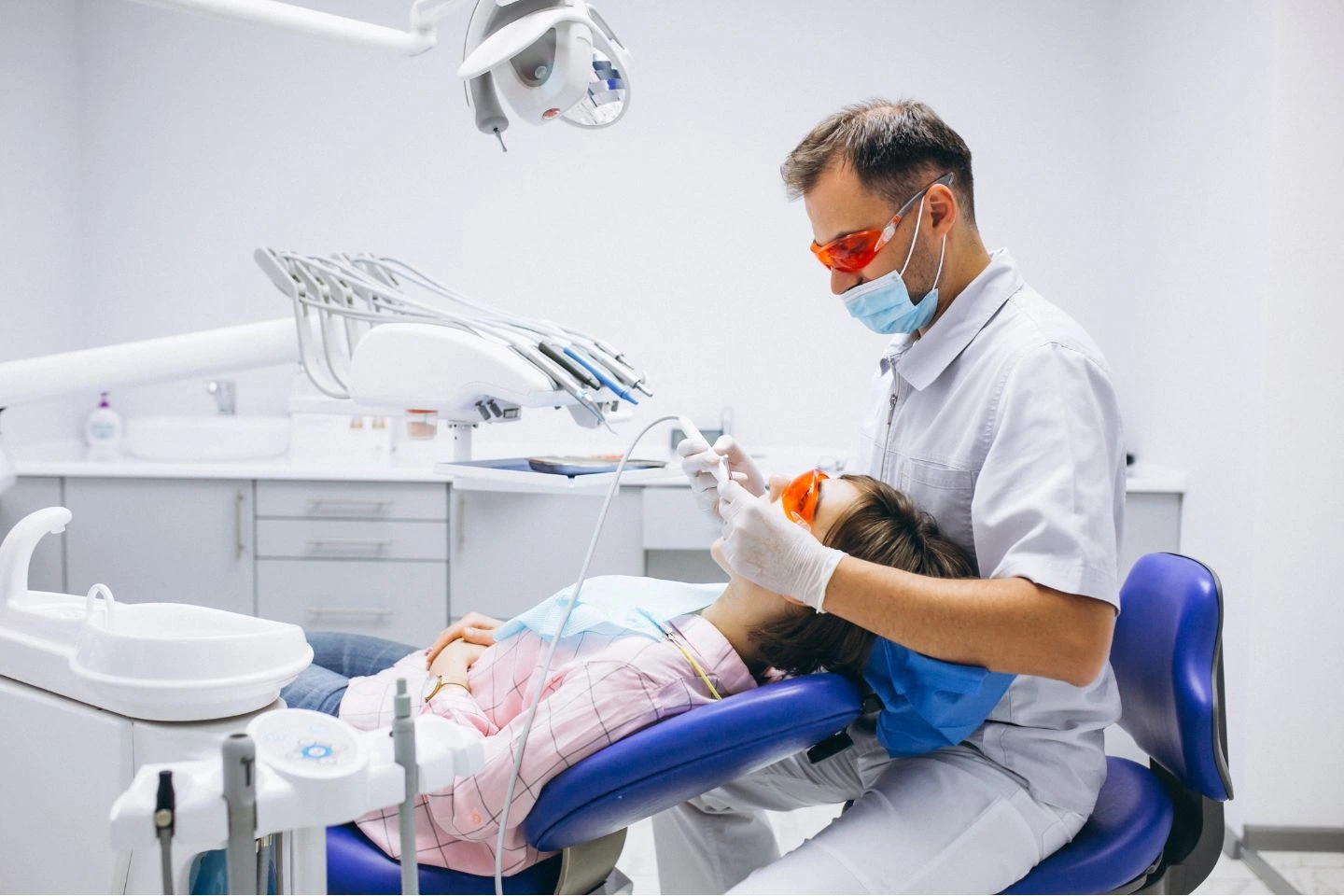
You brush your teeth every day, visit the dentist, and probably try to take good care of your smile. But some everyday habits can quietly work against your oral health without you realising it.
From sipping sugary drinks throughout the day to chewing ice or brushing too aggressively, seemingly harmless routines can contribute to enamel wear, tooth sensitivity, cavities, chips, and gum problems over time.
The good news is that many of these habits are easy to change once you know what to look for.
At Buford Dental, we help patients identify everyday habits that may be affecting their teeth and provide personalised guidance for maintaining a healthy smile.
1. Sipping Sugary Drinks Throughout the Day
Having a sugary drink occasionally is different from sipping one slowly throughout the day.
Every time your teeth are exposed to sugars, bacteria in dental plaque can produce acids that attack tooth enamel. Frequent exposure gives your teeth less time to recover between acidic attacks.
This can increase the risk of tooth decay, particularly when drinks are consumed frequently between meals.
Try to:
- Keep sugary drinks to mealtimes when possible
- Choose water between meals
- Avoid slowly sipping sweetened drinks for hours
- Rinse your mouth with water after consuming acidic or sugary beverages
2. Chewing Ice
Chewing ice may seem like an innocent habit, especially when you are finishing a cold drink. However, the hardness of ice can place considerable pressure on your teeth.
Repeatedly biting down on hard ice may contribute to chipped or cracked teeth and can potentially damage existing dental restorations.
Instead of chewing the ice, allow it to melt naturally or leave it in the glass.
If you have already chipped a tooth, your dentist can assess the damage and determine whether dental bonding or another treatment may be appropriate.
3. Brushing Your Teeth Too Hard
Brushing harder does not necessarily mean brushing better.
Using excessive pressure or a hard-bristled toothbrush can contribute to irritation of the gums and wear around the tooth surface, particularly when the habit is repeated over time.
Use a soft-bristled toothbrush and gentle movements when brushing.
The goal is to remove plaque effectively without putting unnecessary pressure on your teeth and gums.
4. Using Your Teeth as Tools
Have you ever used your teeth to open packaging, tear tape, hold objects, or remove a stubborn wrapper?
Although it may only take a few seconds, your teeth are designed for chewing, not for opening packages or cutting objects.
Using your teeth as tools can cause chips, cracks, or damage to existing fillings and restorations.
Keep scissors, bottle openers, and other appropriate tools nearby instead.
5. Grinding or Clenching Your Teeth
Some people grind or clench their teeth without realising it, particularly during sleep or periods of stress.
Repeated pressure can contribute to tooth wear and may cause jaw discomfort or sensitivity.
If you regularly wake up with jaw soreness, headaches, tooth sensitivity, or signs of tooth wear, talk to your dentist.
A dental examination can help determine whether teeth grinding or clenching may be affecting your smile and whether a night guard or another approach may be appropriate.
6. Snacking Frequently on Sugary Foods
It is not only the amount of sugar you consume that matters. How frequently your teeth are exposed to it also matters.
Frequent snacking on sweets, biscuits, cakes, or other sugary foods can expose your teeth to repeated acid attacks throughout the day.
Instead, try to limit how often you consume sugary foods and choose tooth-friendly snacks when possible.
Good options can include:
- Plain yoghurt
- Cheese
- Nuts
- Fresh vegetables
- Whole fruits
7. Drinking Too Many Acidic Beverages
Soft drinks, energy drinks, sports drinks, fruit juices, and other acidic beverages can contribute to enamel erosion when consumed frequently.
Enamel is the hard outer layer that protects your teeth. Once enamel is significantly worn away, it does not grow back.
If you enjoy acidic drinks, consider having them less frequently and drinking water afterwards. Avoid holding or swishing acidic beverages around your mouth.
It is also important to avoid brushing immediately after an acidic drink because the enamel may temporarily be more vulnerable to mechanical wear.
8. Nail Biting
Nail biting can place repeated stress on your teeth.
Over time, this habit may contribute to chipped edges, worn teeth, or jaw discomfort. It can also introduce bacteria from your hands into your mouth.
If you tend to bite your nails when you are nervous, bored, or concentrating, try identifying the situations that trigger the habit and find an alternative activity for your hands.
9. Ignoring Signs of Tooth Sensitivity
Tooth sensitivity is sometimes dismissed as a minor inconvenience.
However, sensitivity to hot, cold, sweet, or acidic foods can have several possible causes, including enamel wear, gum recession, tooth decay, or other dental problems.
Instead of simply avoiding the foods that trigger sensitivity, schedule a dental examination if the problem continues.
Your dentist can identify the underlying cause and recommend appropriate treatment.
10. Skipping Regular Dental Visits
You may brush and floss consistently and still benefit from regular dental examinations.
Some dental problems do not cause noticeable symptoms in their early stages. Regular examinations allow your dentist to monitor your teeth and gums and identify concerns that may require attention.
Professional cleanings can also help remove plaque and tartar that cannot always be removed through brushing and flossing alone.
Regular visits are an important part of preventive dental care.
Why Do These Everyday Habits Matter?
Many dental problems develop gradually.
You may not notice the effects of a habit immediately. However, repeated exposure to sugar, acid, excessive pressure, or other stressors can affect your teeth over time.
That is why small changes can make a difference.
Instead of trying to completely change your routine overnight, focus on identifying one or two habits that may be affecting your teeth and gradually replacing them with healthier alternatives.
How Can You Protect Your Teeth Every Day?
Along with avoiding habits that can damage your teeth, focus on simple preventive steps.
You should:
- Brush twice daily with fluoride toothpaste
- Clean between your teeth every day
- Drink plenty of water
- Limit frequent sugary and acidic snacks and drinks
- Avoid chewing hard objects
- Use your teeth only for chewing
- Wear a mouthguard for recommended activities
- Attend regular dental examinations
- Address tooth sensitivity, pain, or damage promptly
These habits can help protect your natural teeth and support your overall oral health.
When Should You See a Dentist?
Some changes may seem minor, but persistent symptoms should not be ignored.
Schedule a dental examination if you notice:
- Tooth pain
- Persistent sensitivity
- Chipped or cracked teeth
- Bleeding or swollen gums
- Increased tooth wear
- Jaw pain
- Difficulty chewing
- Changes in the appearance of your teeth
Early evaluation can help your dentist determine the cause and discuss appropriate treatment options.
Which Everyday Habit Is Damaging Your Teeth?
Many habits that affect your teeth are easy to overlook because they do not cause immediate problems. Chewing ice, brushing too hard, frequently consuming sugary or acidic drinks, grinding your teeth, and skipping dental visits can all affect your oral health over time.
The best approach is not to wait until a problem becomes painful. Pay attention to your daily habits, maintain good oral hygiene, and schedule regular dental examinations.
At Buford Dental, we can assess your teeth and gums, identify potential concerns, and help you develop practical habits for maintaining a healthy smile.
FAQs About Everyday Habits That Damage Your Teeth
Q: What everyday habits can damage your teeth?
A: Habits such as chewing ice, biting your nails, using your teeth as tools, brushing too aggressively, frequently consuming sugary or acidic drinks, grinding your teeth, and skipping dental visits can affect your oral health.
Q: Can brushing too hard damage your teeth?
A: Yes. Excessive brushing pressure can irritate the gums and contribute to wear around the teeth. A soft-bristled toothbrush and gentle technique are recommended.
Q: Is chewing ice bad for your teeth?
A: Chewing ice can place significant pressure on the teeth and may contribute to chips, cracks, or damage to dental restorations.
Q: Can sugary drinks cause cavities?
A: Frequent exposure to sugar can increase the risk of tooth decay because oral bacteria use sugars to produce acids that attack tooth enamel.
Q: Can acidic drinks damage tooth enamel?
A: Frequent consumption of acidic drinks can contribute to enamel erosion. Drinking water afterwards and reducing the frequency of acidic beverages can help limit exposure.
Q: Why do my teeth hurt when I drink something cold?
A: Tooth sensitivity can have several causes, including enamel wear, gum recession, decay, or other dental problems. Persistent sensitivity should be evaluated by a dentist.
Q: Can grinding your teeth damage them?
A: Repeated grinding or clenching can contribute to tooth wear and may also be associated with jaw discomfort. Your dentist can assess the signs and discuss appropriate management.
Q: Is nail biting bad for your teeth?
A: Regular nail biting can place stress on the teeth and may contribute to chips, wear, or jaw discomfort.
Q: How can I protect my teeth from everyday damage?
A: Brush twice daily with fluoride toothpaste, clean between your teeth, limit frequent sugary and acidic foods and drinks, avoid chewing hard objects, and attend regular dental examinations.
Q: How often should I visit the dentist?
A: The appropriate interval depends on your individual oral health and risk factors. Regular dental examinations allow your dentist to determine how often you should be seen.
Contact Us
We encourage you to contact us with any questions or comments
Location: 1944 Braselton Hwy #107,
Contact: (770) 696-9450
Office Hours
Monday to Thursday: 7.00 AM to 4.00 PM
Fridays: By Appointment
Saturday & Sunday: Closed
Schedule Your Visit!
*First Name
*Last Name
Your Email
*Phone Number
*Preferred Appointment Date & Time
Comments
(Requested time is not final until you receive confirmation from our office) I allow this website to store my submission so they can respond to my inquiry
We are committed to providing quality healthcare to families located in the GA area and treating patients of all ages.


OVERVIEW
SERVICES
SUPPORT
© 2025 Buford Dental | All rights reserved | Privacy Policy | Website Design by Remedo