
Early Signs of Gum Disease You Should Never Ignore
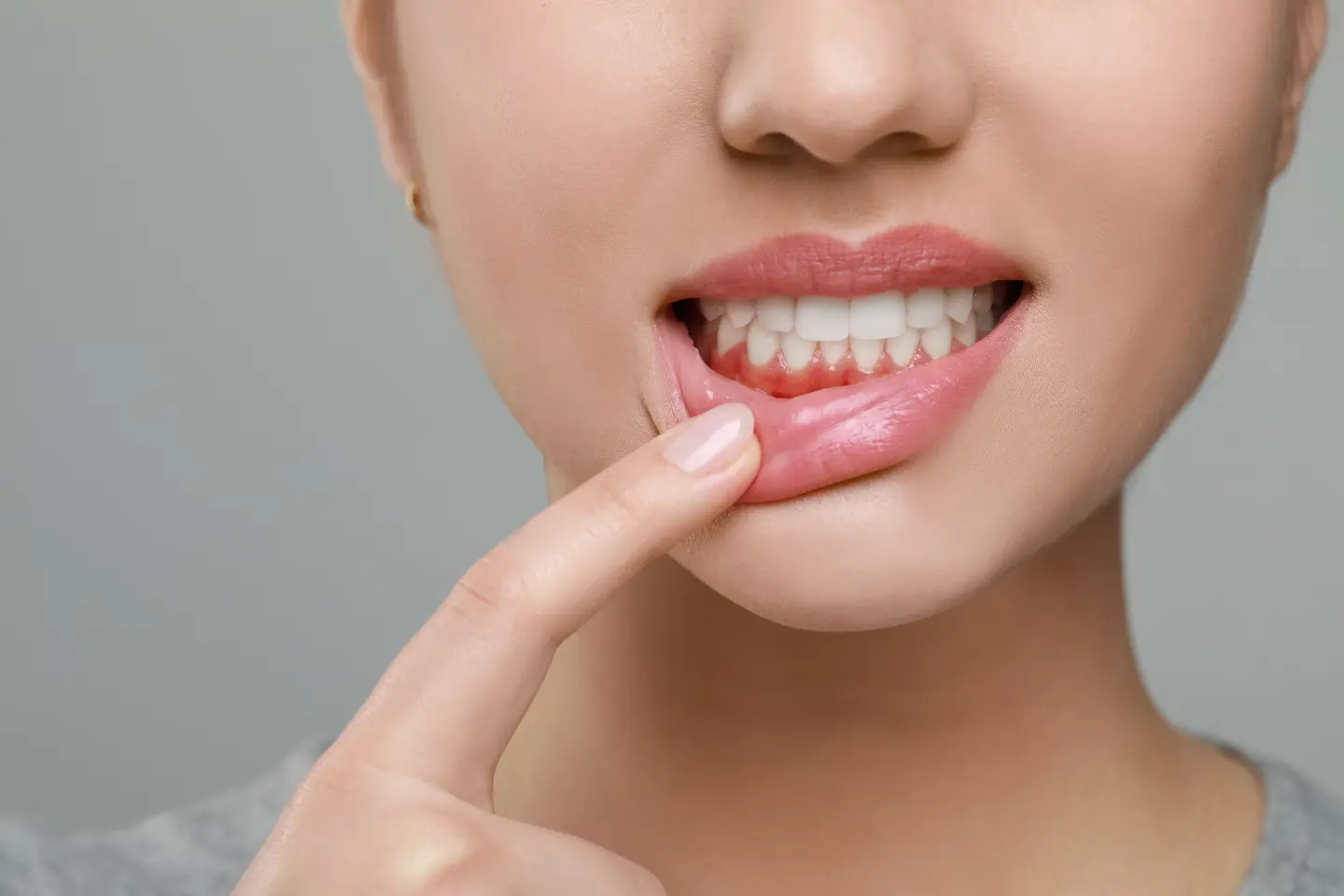
Gum disease rarely starts with pain. That is what makes it so easy to miss. Many people assume their teeth are healthy because nothing hurts, even while their gums are quietly changing. By the time discomfort shows up, the condition is often more advanced than they realize.
The good news is that gum disease gives warning signs early on. The challenge is recognizing them and not brushing them off as something minor. Paying attention to these early signs can help protect your teeth, your gums, and even your overall health.
Gums that bleed when brushing or flossing
Bleeding gums are one of the earliest and most common signs of gum disease. Many people see blood in the sink and assume they brushed too hard or skipped flossing for a while.
Occasional bleeding can happen, but regular bleeding is not normal. Healthy gums do not bleed easily. When plaque builds up along the gumline, it irritates the tissue and causes inflammation. That inflammation leads to bleeding, especially during brushing or flossing.
Ignoring this sign allows the inflammation to continue and worsen over time.
Red, swollen, or tender gums
Healthy gums are usually firm and pale pink. When gums start to look red, puffy, or feel sore, it often means irritation or infection is developing.
Swollen gums may feel uncomfortable when you brush or eat, but they do not always hurt. This makes it easy to overlook the problem. Redness and swelling are signs that bacteria are irritating the gums and triggering an inflammatory response.
Catching this stage early makes treatment much simpler.
Persistent bad breath or a bad taste
Bad breath that does not improve with brushing, flossing, or mouthwash can be a sign of gum disease. Bacteria trapped under the gumline release toxins that create odor.
Some people notice a constant bad taste in their mouth instead of a noticeable odor. This can come and go, which makes it easier to ignore.
Persistent bad breath is not just a cosmetic issue. It often points to an underlying gum problem that needs attention.
Gums pulling away from the teeth
Gum recession happens gradually. Many people do not notice it right away because it does not cause pain at first.
If your teeth look longer than they used to, or if you notice more tooth surface near the gumline, your gums may be receding. Receding gums create small pockets where bacteria can collect, making it easier for gum disease to progress.
Once gum tissue is lost, it does not grow back on its own. Early treatment helps slow or stop further recession.
Increased tooth sensitivity
Sensitivity to cold drinks, hot foods, or even air can sometimes be linked to gum disease. As gums recede, the sensitive root surface of the tooth becomes exposed.
This type of sensitivity often feels different from cavity pain. It may come and go quickly, but it becomes more frequent over time.
If sensitivity appears alongside other gum changes, it should be evaluated.
Changes in the alignment of your teeth
Gum disease affects the structures that support your teeth. As the condition progresses, teeth may begin to shift slightly.
You might notice your bite feels different or that your teeth do not come together the way they used to. Some people notice spacing changes or mild movement.
These changes can happen slowly, which is why regular dental exams are important for spotting them early.
Gums that look shiny instead of firm
Inflamed gums often look smooth or shiny rather than textured and firm. This change can be subtle, but it is a sign that the tissue is swollen and irritated.
Healthy gums have a slightly stippled appearance, similar to the surface of an orange peel. When inflammation is present, that texture can disappear.
Why is early gum disease easy to ignore?
Early gum disease, often called gingivitis, does not usually cause pain. That is why many people assume it is not serious.
Unfortunately, untreated gingivitis can progress to periodontitis, which involves bone loss around the teeth. At that stage, treatment becomes more complex, and damage may be permanent.
Early care can reverse inflammation before lasting damage occurs.
The role of regular dental visits
Regular dental checkups help catch gum disease early, often before patients notice symptoms themselves. Dentists measure gum pockets, check for inflammation, and remove plaque buildup that contributes to disease.
Professional cleanings are especially important because plaque hardens into tartar, which cannot be removed at home. Tartar buildup under the gumline is a major contributor to gum disease progression.
At Buford Dental, early gum changes are addressed with preventive care and personalized guidance to help patients avoid more serious problems later.
Frequently Asked Questions
Q: Is gum disease reversible in the early stages?
A: Yes. Early gum disease can often be reversed with professional cleanings and improved oral hygiene.
Q: Do bleeding gums always mean gum disease?
A: Frequent bleeding is a common sign of gum disease and should not be ignored, even if there is no pain.
Q: Can gum disease affect overall health?
A: Yes. Gum disease has been linked to conditions such as heart disease and complications with diabetes.
Q: How often should gums be checked?
A: Gums should be evaluated at every dental checkup, usually every six months, or more often if needed.
Conclusion
Gum disease often starts quietly, but the warning signs are there if you know what to look for. Bleeding gums, swelling, bad breath, recession, and sensitivity are not things to ignore or wait out.
Addressing gum disease early helps protect your teeth, your gums, and your long-term oral health. Small changes today can prevent much bigger problems in the future.
If you notice any of these signs, scheduling a dental evaluation sooner rather than later can make a meaningful difference.
Contact Us
We encourage you to contact us with any questions or comments
Location: 1944 Braselton Hwy #107,
Contact: (770) 696-9450
Office Hours
Monday to Thursday: 7.00 AM to 4.00 PM
Fridays: By Appointment
Saturday & Sunday: Closed
Schedule Your Visit!
*First Name
*Last Name
Your Email
*Phone Number
*Preferred Appointment Date & Time
Comments
(Requested time is not final until you receive confirmation from our office) I allow this website to store my submission so they can respond to my inquiry
We are committed to providing quality healthcare to families located in the GA area and treating patients of all ages.


OVERVIEW
SERVICES
SUPPORT
© 2025 Buford Dental | All rights reserved | Privacy Policy | Website Design by Remedo