
Dental Implant vs. Dental Bridge: Which Option Saves You More Money?
When you lose a tooth, replacing it is about more than filling an empty space. A missing tooth can affect how you chew, how your teeth come together, and the health of the surrounding area. But when patients begin exploring replacement options, one question often comes up first: Which option costs less?
Dental implants and dental bridges can both replace missing teeth, but they work in very different ways. A bridge may have a lower upfront cost, while an implant involves more stages of treatment and may require a larger initial investment.
At Buford Dental, we help patients understand the differences between these options so they can consider both immediate costs and long-term dental needs.
What Is a Dental Implant?
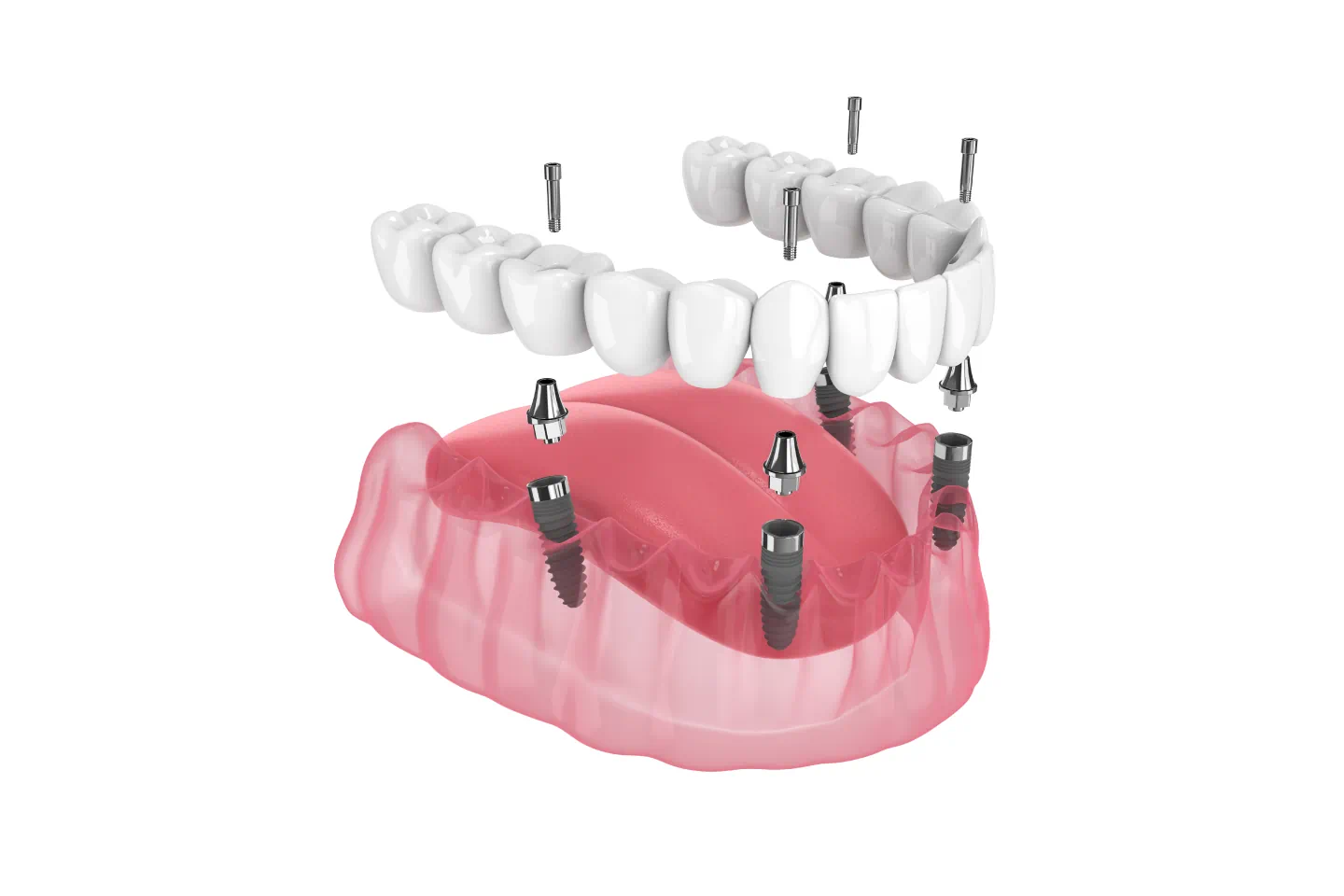
A dental implant is designed to replace a missing tooth from the root upward.
A small implant is placed into the jawbone to act as an artificial tooth root. After the area has healed, an abutment and custom dental crown are used to complete the restoration.
Because the implant is anchored in the jawbone, it does not depend on the neighbouring teeth for support.
Dental implants can:
- Replace the missing tooth root
- Support a natural-looking dental crown
- Restore chewing function
- Provide a fixed tooth replacement
- Help maintain the bone in the area
- Avoid preparing neighbouring healthy teeth for a traditional bridge
However, implants involve a surgical procedure and a healing period. Some patients may also need additional treatment before implant placement, depending on the condition of their jawbone and gums.
What Is a Dental Bridge?
A dental bridge replaces a missing tooth by using the teeth next to the space for support.
A traditional bridge typically consists of an artificial tooth positioned between dental crowns. The crowns are attached to the neighbouring teeth, holding the replacement tooth in place.
Bridges can be useful when a patient wants a fixed replacement without undergoing implant placement.
They can:
- Fill the gap left by a missing tooth
- Restore chewing function
- Improve the appearance of the smile
- Provide a fixed restoration
- Often be completed in less time than an implant
However, the neighbouring teeth must be suitable to support the bridge. They also need to be prepared as part of the treatment.
Why Does an Implant Usually Cost More Initially?
The treatment process for a dental implant can involve several stages.
Depending on your individual situation, treatment may include:
- A comprehensive examination and imaging.
- Implant placement.
- A healing period while the implant integrates with the jawbone.
- Placement of an abutment.
- Fabrication and placement of the final crown.
Additional procedures may sometimes be recommended if there is insufficient bone or another oral health concern that needs to be addressed first.
A dental bridge generally involves fewer treatment stages, which is one reason its initial cost may be lower.
Does a Lower Upfront Cost Mean a Bridge Is Cheaper Overall?
Not necessarily.
When comparing tooth replacement options, it is important to look beyond the initial price. Consider the expected lifespan of the restoration, future maintenance, potential repairs, and what happens to the surrounding teeth over time.
A bridge depends on neighbouring teeth for support. If one of those teeth later develops a problem, the bridge may also be affected.
An implant is independent of the neighbouring teeth and replaces the missing root. This can make it an attractive long-term option for some patients.
The overall value of either treatment depends on your specific dental circumstances.
What Makes Dental Implants a Long-Term Option?
One of the major differences between an implant and a traditional bridge is what happens beneath the gumline.
When a natural tooth is lost, the jawbone in that area no longer receives stimulation from the tooth root. Bone loss can occur over time.
Because an implant is placed into the jawbone, it can provide stimulation to the surrounding bone similar to a natural tooth root.
An implant also stands independently, meaning the neighbouring teeth do not need to be reduced to support it.
With proper oral hygiene and professional maintenance, dental implants can serve as a long-term tooth replacement option.
What Makes a Dental Bridge a Practical Option?
A bridge may be appropriate for patients who prefer a non-implant solution or who are not suitable candidates for implant treatment.
It can restore the missing tooth without requiring placement of an artificial root into the jawbone.
A bridge may also be considered when the neighbouring teeth already require crowns or significant restorative treatment.
Your dentist can evaluate the condition of these teeth and determine whether they can appropriately support a bridge.
What Should You Consider Before Choosing?
Cost is important, but it should not be the only consideration.
Your dentist may evaluate:
The Condition of Your Neighbouring Teeth
If the teeth next to the missing tooth are healthy, an implant may allow them to remain untouched. If they already need crowns or extensive restoration, a bridge may be worth considering.
Your Jawbone Health
Implants require adequate bone to support the implant. If bone has been lost after tooth loss, additional treatment may sometimes be necessary.
Your Gum Health
Healthy gums are important for both implants and bridges. Existing gum problems may need to be addressed before tooth replacement.
Your Treatment Timeline
A bridge can often be completed more quickly because it does not require the same healing process as an implant.
Your Budget
Your available budget may influence your decision, particularly when comparing initial treatment costs with long-term considerations.
Your Long-Term Goals
Think about how you want your replacement tooth to function and how you want to maintain the surrounding teeth over the years.
Which Option Saves You More Money?
There is no single answer that applies to everyone.
A dental bridge may be more affordable initially and may be a suitable choice for certain patients. A dental implant may involve a greater upfront investment but can provide a long-term replacement that does not rely on neighbouring teeth.
The most cost-effective option depends on your oral health, treatment needs, expected maintenance, and long-term goals.
Rather than choosing based solely on the lowest initial price, it is worth discussing the complete treatment plan with your dentist.
Can You Replace a Missing Tooth Later?
In many cases, yes, but waiting can sometimes make treatment more complicated.
After tooth loss, the jawbone can gradually change. Neighbouring teeth may also shift into the empty space.
These changes can affect future tooth replacement options. For patients considering an implant, significant bone loss may mean that additional procedures are needed before the implant can be placed.
This is why discussing tooth replacement sooner rather than later can be helpful, even if you are not ready to begin treatment immediately.
How Can You Protect Your Investment?
Regardless of whether you choose an implant or bridge, proper care is important.
You should:
- Brush twice daily with fluoride toothpaste.
- Clean between your teeth every day.
- Follow your dentist's cleaning instructions.
- Attend regular dental examinations.
- Avoid using your teeth to bite hard objects.
- Address problems such as gum disease promptly.
- Follow professional recommendations for maintaining your restoration.
Good oral hygiene also helps protect the natural teeth surrounding the restoration.
Which Option Is Right for You?
There is no universally "best" tooth replacement. The right choice depends on your teeth, gums, jawbone, health, treatment preferences, timeline, and budget.
A dental implant may be worth considering if you want an independent tooth replacement that replaces the missing root. A bridge may be a practical alternative when you want a fixed restoration without implant surgery.
At Buford Dental, we can examine the missing tooth area, discuss your available options, and explain the costs and treatment process so you can make a decision with confidence.
FAQs About Dental Implants vs. Dental Bridges
Q: Is a dental bridge cheaper than a dental implant?
A: A bridge often has a lower upfront cost, but the total cost depends on the treatment required, future maintenance, and replacement needs.
Q: Does a dental implant damage neighbouring teeth?
A: An implant does not require neighbouring teeth to support the replacement tooth, so healthy adjacent teeth do not need to be prepared for the implant itself.
Q: Does a bridge replace the tooth root?
A: No. A traditional bridge replaces the visible tooth but does not replace the natural root.
Q: Can an implant help prevent bone loss?
A: Because an implant is placed into the jawbone and functions as an artificial root, it can help maintain bone in the area.
Q: Is a bridge faster than an implant?
A: A bridge can often be completed in a shorter timeframe because an implant requires a healing period before the final restoration is placed.
Q: What if I have had a missing tooth for several years?
A: You may still have several replacement options, but changes in the jawbone and surrounding teeth may affect which treatments are appropriate.
Q: Can I choose an implant simply because it lasts longer?
A: Treatment decisions should consider more than longevity. Your dentist will also evaluate your bone, gums, neighbouring teeth, overall oral health, and treatment goals.
Q: How do I know which option is more affordable for me?
A: A personalised examination and treatment plan can help you compare the initial costs and long-term considerations of an implant and bridge.
Contact Us
We encourage you to contact us with any questions or comments
Location: 1944 Braselton Hwy #107,
Contact: (770) 696-9450
Office Hours
Monday to Thursday: 7.00 AM to 4.00 PM
Fridays: By Appointment
Saturday & Sunday: Closed
Schedule Your Visit!
*First Name
*Last Name
Your Email
*Phone Number
*Preferred Appointment Date & Time
Comments
(Requested time is not final until you receive confirmation from our office) I allow this website to store my submission so they can respond to my inquiry
We are committed to providing quality healthcare to families located in the GA area and treating patients of all ages.


OVERVIEW
SERVICES
SUPPORT
© 2025 Buford Dental | All rights reserved | Privacy Policy | Website Design by Remedo