
What Is the Recovery Time for Dental Implants?
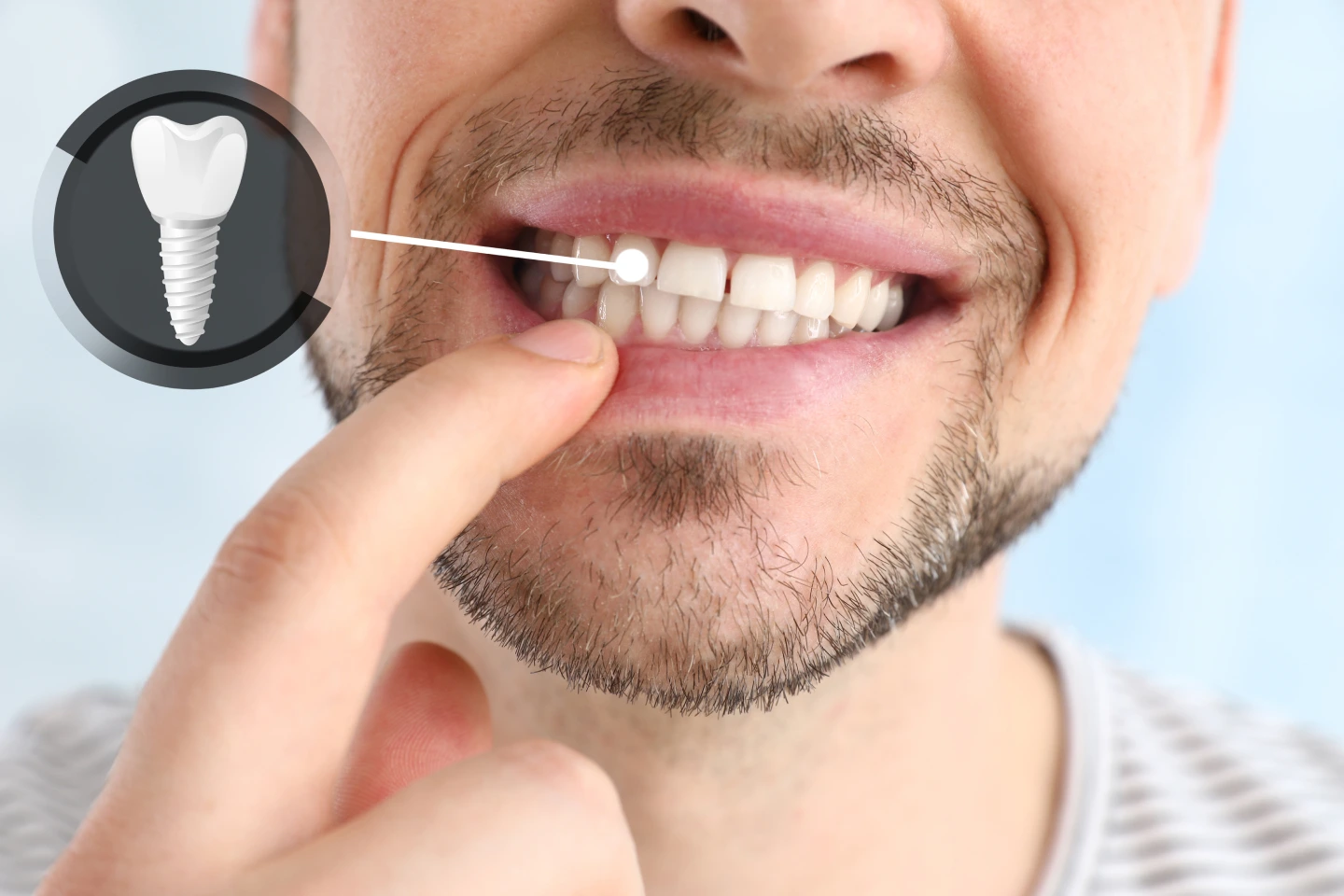
Dental implants are one of the most reliable and long-lasting solutions for replacing missing teeth. They look natural, function like real teeth, and help restore confidence while improving oral health. One of the most common questions patients ask before treatment is: “What is the recovery time for dental implants?”
The recovery process for dental implants varies from person to person depending on several factors, including overall health, bone condition, the number of implants placed, and whether additional procedures such as bone grafting are needed. Understanding the healing timeline can help patients prepare for a smoother and more comfortable recovery experience.
At Buford Dental, we guide patients through every stage of dental implant treatment, from consultation to final restoration, while focusing on comfort and long-term results.
Understanding the Dental Implant Healing Process
A dental implant is a titanium post that is surgically placed into the jawbone to replace the root of a missing tooth. After placement, the implant needs time to bond with the bone through a process called osseointegration.
This healing stage is essential because it creates a strong and stable foundation for the replacement tooth, bridge, or denture.
Although every patient heals differently, most dental implant recovery timelines follow a similar pattern.
Immediate Recovery After Implant Surgery
The first 24 to 72 hours after dental implant surgery are usually when patients experience the most noticeable symptoms. Mild swelling, tenderness, bruising, and minor discomfort are common and typically manageable with prescribed or over-the-counter medications.
During this early recovery phase, patients are usually advised to:
- Rest and avoid strenuous activity
- Use cold compresses to reduce swelling
- Eat soft foods
- Avoid smoking and alcohol
- Maintain gentle oral hygiene around the surgical area
Most patients can return to normal daily activities within one to three days after implant placement, depending on the complexity of the procedure.
How Long Does It Take for Dental Implants to Heal?
While the initial discomfort improves fairly quickly, complete healing takes longer because the implant must fully integrate with the jawbone.
In general:
- Initial healing: 1 to 2 weeks
- Bone integration: 3 to 6 months
- Final crown placement: After successful healing and stability
For many patients, gum tissues heal within a couple of weeks, but the deeper bone healing process continues beneath the surface for several months.
Your dentist will monitor healing progress carefully before placing the final restoration.
Factors That Affect Dental Implant Recovery Time
Several factors can influence how quickly dental implants heal.
Number of Implants Placed
A single dental implant may heal faster than full-mouth implant procedures or multiple implant placements.
Bone Grafting Procedures
Patients who need bone grafting before implant placement may require additional healing time. Bone graft recovery can take several months before implants are placed.
Overall Health
Conditions such as diabetes, immune disorders, or poor oral health may slow healing and recovery.
Smoking
Smoking significantly affects blood flow and can increase the risk of implant failure or delayed healing.
Oral Hygiene
Keeping the implant area clean is essential for preventing infection and supporting proper healing.
What Foods Can You Eat After Dental Implant Surgery?
Diet plays an important role in recovery after dental implants. Soft foods are generally recommended during the early healing period.
Some good options include:
- Yogurt
- Mashed potatoes
- Smoothies
- Soup
- Scrambled eggs
- Pasta
- Soft fruits
Patients should avoid hard, crunchy, spicy, or sticky foods until healing progresses.
Drinking plenty of water and maintaining proper nutrition can also support faster recovery.
Signs of Normal Healing After Dental Implants
Mild symptoms after dental implant surgery are common and usually improve within several days.
Normal signs of healing may include:
- Mild swelling
- Minor bleeding
- Slight bruising
- Temporary tenderness
- Mild jaw soreness
These symptoms typically decrease gradually as the implant site heals.
When to Contact Your Dentist
Although complications are uncommon, patients should contact their dentist if they experience:
- Severe or worsening pain
- Excessive bleeding
- Persistent swelling
- Fever
- Implant movement
- Signs of infection
Prompt evaluation can help prevent complications and protect implant success.
Tips for Faster Dental Implant Recovery
Patients can often improve healing outcomes by carefully following post-operative instructions.
Helpful recovery tips include:
- Maintain excellent oral hygiene
- Avoid smoking and tobacco products
- Follow dietary recommendations
- Attend follow-up appointments
- Take medications as directed
- Avoid chewing directly on the implant area
Good aftercare is one of the most important factors in long-term implant success.
Are Dental Implants Worth the Recovery Time?
Although dental implant healing requires patience, many patients consider the long-term benefits well worth the process. Dental implants can improve chewing ability, speech, appearance, and jawbone preservation while providing a durable, natural-looking tooth replacement solution.
Unlike removable dentures, implants are designed to function like natural teeth and may last for many years with proper care.
If you are considering dental implants and want to learn more about the recovery process, the team at Buford Dental can help you understand your treatment options and create a personalized care plan.
FAQs About Dental Implant Recovery Time
Q: How painful is dental implant recovery?
A: Most patients experience only mild to moderate discomfort after dental implant surgery. Pain is usually manageable with medication and improves within a few days.
Q: How long does swelling last after dental implants?
A: Swelling generally peaks within 48 hours and improves over the next several days. Most swelling resolves within one week.
Q: Can I go to work after getting dental implants?
A: Many patients return to work within one to three days after implant surgery, depending on the complexity of the procedure and their comfort level.
Q: How long before I can eat normally after dental implants?
A: Soft foods are recommended during the early healing stage. Most patients gradually return to a normal diet after several weeks, depending on healing progress.
Q: How long do dental implants last?
A: With proper care and regular dental visits, dental implants can last for many years and may even last a lifetime for some patients.
Contact Us
We encourage you to contact us with any questions or comments
Location: 1944 Braselton Hwy #107,
Contact: (770) 696-9450
Office Hours
Monday to Thursday: 7.00 AM to 4.00 PM
Fridays: By Appointment
Saturday & Sunday: Closed
Schedule Your Visit!
*First Name
*Last Name
Your Email
*Phone Number
*Preferred Appointment Date & Time
Comments
(Requested time is not final until you receive confirmation from our office) I allow this website to store my submission so they can respond to my inquiry
We are committed to providing quality healthcare to families located in the GA area and treating patients of all ages.


OVERVIEW
SERVICES
SUPPORT
© 2025 Buford Dental | All rights reserved | Privacy Policy | Website Design by Remedo