
How Long Can You Delay a Root Canal Before It Becomes an Emergency?
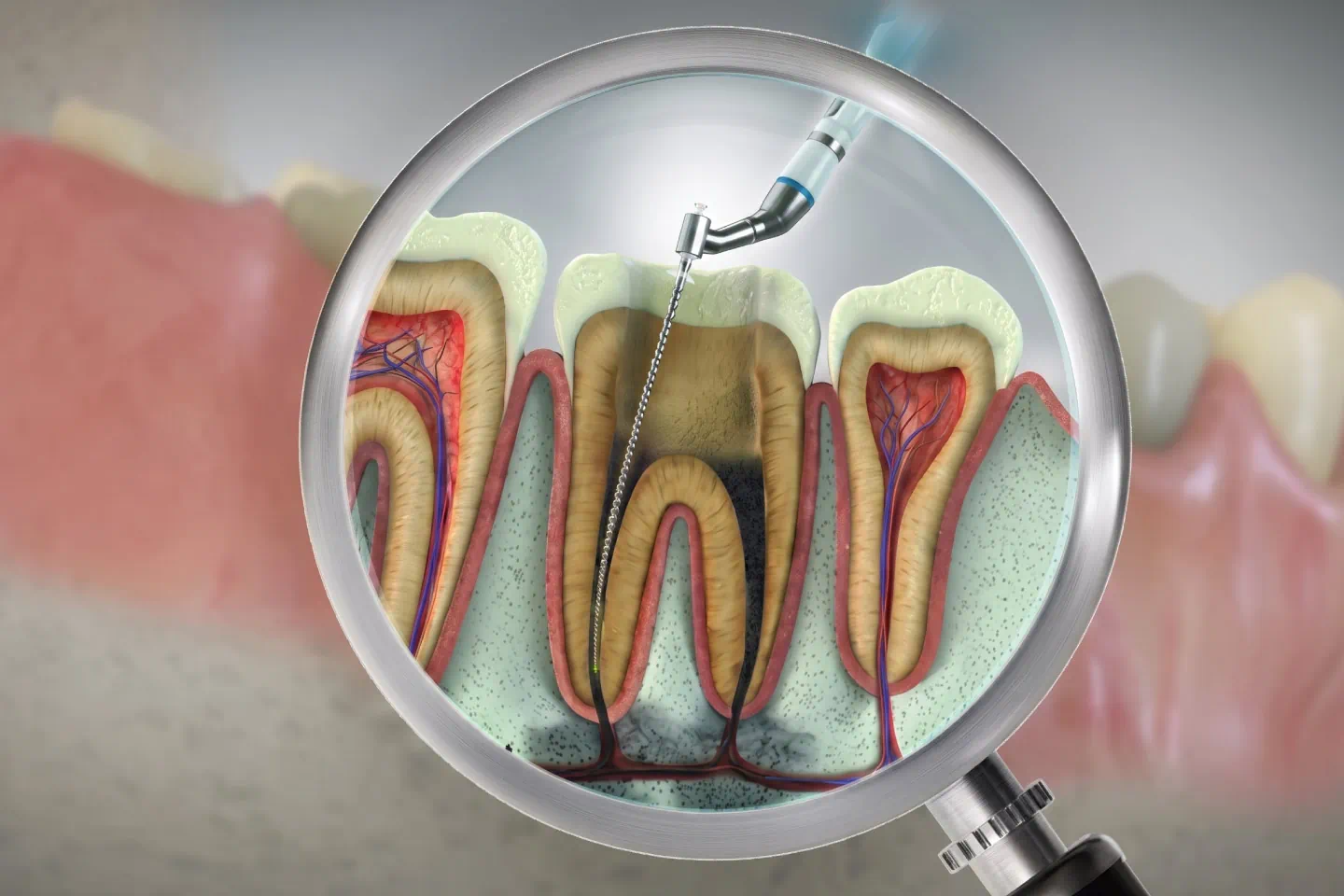
Tooth pain has a way of making people pay attention, but many patients still put off dental treatment when symptoms seem manageable. A tooth that needs a root canal may not always hurt severely at first, which can make it tempting to wait and see if the problem improves.
Unfortunately, there is no reliable amount of time that you can safely wait before treating a tooth that needs a root canal. The underlying problem can progress even when symptoms temporarily disappear.
At Buford Dental, we help patients understand when tooth pain or other warning signs may require prompt evaluation.
Why Does a Tooth Need a Root Canal?
Inside your tooth is soft tissue called dental pulp, which contains nerves and blood vessels. Deep decay, cracks, trauma, or repeated dental procedures can damage or infect this tissue.
When the pulp becomes severely inflamed or infected, root canal treatment may be recommended to remove the affected tissue, clean the inside of the tooth, and seal it.
Without treatment, the problem may continue to develop.
Can You Safely Wait a Few Days?
It depends on what is causing the symptoms.
A mild toothache does not automatically mean you need an emergency root canal. However, if your dentist has already determined that a tooth requires root canal treatment, delaying it can allow the underlying problem to progress.
Some people experience increasing pain within a short period, while others may have few symptoms for much longer.
The important point is that symptoms do not reliably predict how quickly a dental infection will progress.
What Happens If You Keep Delaying Treatment?
When damaged or infected pulp remains untreated, bacteria can move beyond the tooth and affect the surrounding tissues.
As the problem progresses, you may develop:
- Increasing or persistent tooth pain
- Pain when biting or chewing
- Prolonged sensitivity to hot or cold
- Swelling around the tooth
- Tender or swollen gums
- A recurring pimple on the gums
- Facial swelling
- Fever or feeling generally unwell
A tooth that initially caused only occasional discomfort can eventually require more extensive treatment.
Can Tooth Pain Suddenly Disappear?
Yes, and this can be misleading.
If the nerve tissue inside a severely damaged tooth stops functioning, the pain may decrease or disappear. That does not necessarily mean the tooth has healed.
The infection can continue to affect the tissues surrounding the tooth even after the original pain changes.
This is why you should not assume that a disappearing toothache means treatment is no longer necessary.
When Does It Become a Dental Emergency?
Certain symptoms require prompt dental attention.
Seek urgent dental care if you experience:
- Significant facial or jaw swelling
- Difficulty breathing or swallowing
- Fever associated with dental swelling
- Severe, rapidly worsening tooth pain
- Swelling that is spreading
- Difficulty opening your mouth
These symptoms can indicate a more serious dental infection and should not be ignored.
Is a Root Canal Better Than Waiting for an Emergency?
When a tooth can be successfully treated, addressing the problem before it becomes an emergency can make the situation more manageable.
Early treatment may help prevent the infection from progressing and may give your dentist more options for preserving the natural tooth.
Waiting can also result in treatment being needed at an inconvenient time, such as during a weekend or holiday, when emergency dental care may be more difficult to access.
What If You Are Not Experiencing Pain?
You may still need treatment.
Some dental infections produce minimal symptoms, particularly in their earlier stages. Your dentist may identify a problem during a routine examination or on dental imaging before you develop significant pain.
If a dentist has recommended root canal treatment, it is important to understand why treatment is being suggested rather than waiting for symptoms to become severe.
Can Antibiotics Replace a Root Canal?
Antibiotics do not remove infected or damaged pulp from inside a tooth.
They may be prescribed in certain situations when there is evidence of a spreading infection or systemic involvement, but they do not replace definitive dental treatment when the pulp is irreversibly damaged or infected.
Your dentist can determine whether medication, root canal treatment, drainage, extraction, or another approach is appropriate.
How Quickly Should You Act?
There is no universal countdown, such as "you have one week" or "you have one month."
The appropriate timing depends on the condition of the tooth, the extent of the infection or damage, your symptoms, and your overall oral health.
If your dentist has already recommended a root canal, it is better to discuss the timing directly rather than waiting until the pain becomes unbearable.
At Buford Dental, we can examine the tooth, evaluate your symptoms, and explain whether root canal treatment or another option is appropriate.
How Can You Reduce the Risk of Root Canal Emergencies?
Many problems that eventually require root canal treatment begin with tooth decay or dental trauma.
You can help protect your teeth by:
- Brushing twice daily with fluoride toothpaste
- Cleaning between your teeth every day
- Keeping regular dental appointments
- Treating cavities before they become deep
- Wearing a mouthguard during contact sports
- Avoiding chewing hard objects
- Having tooth pain evaluated instead of ignoring it
Regular dental care can help identify problems before they become more complicated.
The Bottom Line
There is no guaranteed amount of time that you can safely delay a root canal. A tooth may deteriorate quickly, gradually, or with very few symptoms.
If you have been told that you need a root canal, or if you are experiencing persistent tooth pain, sensitivity, swelling, or pain when chewing, schedule an evaluation rather than waiting for an emergency.
At Buford Dental, we provide comprehensive dental evaluations and explain your treatment options so you can address dental problems before they become more serious.
FAQs About Delaying a Root Canal
Q: How long can I wait before getting a root canal?
A: There is no safe timeline that applies to everyone. The condition can worsen without warning, so follow your dentist's recommendation.
Q: What happens if I wait too long?
A: The infection or damage may progress and affect tissues around the tooth, potentially making treatment more complicated.
Q: Can a tooth needing a root canal stop hurting on its own?
A: Yes. Pain can sometimes decrease if the nerve inside the tooth stops functioning, but this does not necessarily mean the underlying problem has resolved.
Q: Is swelling a sign that I need emergency dental care?
A: Dental swelling should be evaluated promptly. Facial swelling, difficulty breathing or swallowing, fever, or rapidly spreading swelling requires urgent attention.
Q: Can antibiotics cure a tooth that needs a root canal?
A: Antibiotics do not remove damaged or infected pulp. When root canal treatment is necessary, definitive dental treatment is generally required.
Contact Us
We encourage you to contact us with any questions or comments
Location: 1944 Braselton Hwy #107,
Contact: (770) 696-9450
Office Hours
Monday to Thursday: 7.00 AM to 4.00 PM
Fridays: By Appointment
Saturday & Sunday: Closed
Schedule Your Visit!
*First Name
*Last Name
Your Email
*Phone Number
*Preferred Appointment Date & Time
Comments
(Requested time is not final until you receive confirmation from our office) I allow this website to store my submission so they can respond to my inquiry
We are committed to providing quality healthcare to families located in the GA area and treating patients of all ages.


OVERVIEW
SERVICES
SUPPORT
© 2025 Buford Dental | All rights reserved | Privacy Policy | Website Design by Remedo