
Can a Missing Tooth Cause More Dental Problems? Here's What Most People Don't Know
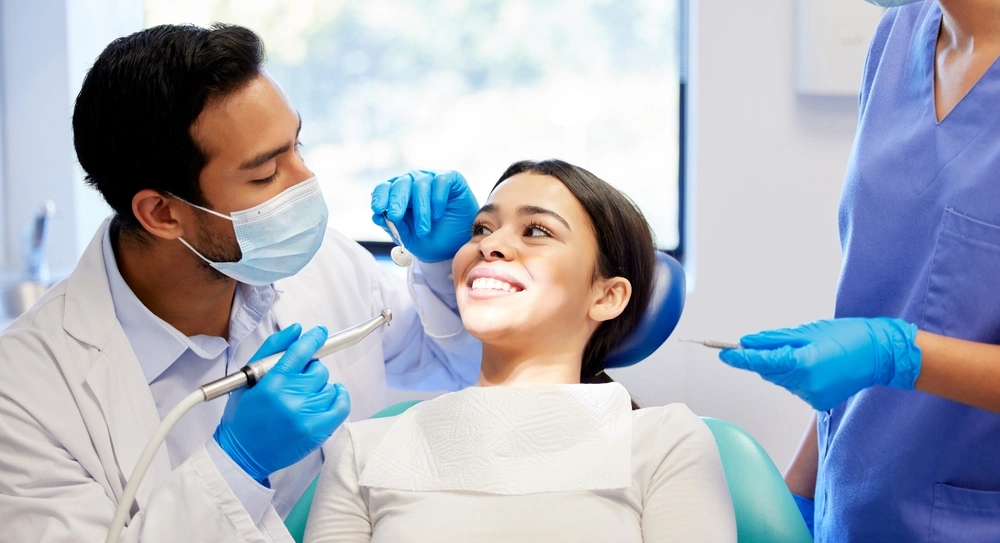
Losing a tooth may seem like a cosmetic concern, especially if the gap is not immediately visible when you smile. However, even a single missing tooth can trigger a series of oral health problems that affect your bite, jawbone, surrounding teeth, and overall dental health. What starts as one missing tooth can gradually lead to more complex issues if left untreated.
Many people delay replacing a missing tooth because they are not experiencing pain. Unfortunately, the absence of pain does not mean everything is healthy beneath the surface. At Buford Dental, we help patients understand the long-term effects of tooth loss and offer personalized treatment options that restore both function and confidence.
Why Does a Missing Tooth Matter?
Every tooth in your mouth works together to maintain proper alignment, chewing function, and jawbone health. When one tooth is lost, the balance of your bite changes.
Without the support of the missing tooth, neighboring teeth begin to shift toward the empty space. Opposing teeth may also drift out of position because they no longer have contact during biting. Over time, these changes can affect your entire smile and make future treatment more complicated.
Replacing a missing tooth early helps preserve your oral health and prevents unnecessary complications.
Problems That Can Develop After Tooth Loss
1. Teeth Begin to Shift
Your teeth naturally rely on one another for support. Once a tooth is missing, nearby teeth slowly move into the empty space.
This shifting can lead to:
- Crooked or crowded teeth
- Bite changes
- Difficulty flossing between teeth
- Increased risk of tooth decay
- Greater chance of gum disease
If teeth become significantly misaligned, orthodontic treatment such as Invisalign may eventually be needed before replacing the missing tooth.
2. Jawbone Loss
One of the most significant consequences of tooth loss occurs beneath the gums.
Natural tooth roots stimulate the jawbone whenever you chew. Once a tooth is lost, that stimulation disappears, causing the bone in that area to gradually shrink.
Jawbone loss can lead to:
- Changes in facial appearance
- Reduced support for neighboring teeth
- Difficulty placing dental implants later
- Weakened jaw structure
Dental implants are the only tooth replacement option that replaces both the visible tooth and the missing root, helping preserve healthy bone.
3. Bite Problems
A missing tooth can alter how your upper and lower teeth come together.
As your bite changes, you may experience:
- Uneven pressure while chewing
- Jaw discomfort
- Increased tooth wear
- Difficulty eating certain foods
Addressing missing teeth early can help maintain proper bite alignment and reduce excessive stress on the remaining teeth.
4. Increased Risk of Gum Disease
Food particles and plaque can accumulate more easily around gaps created by missing teeth. Combined with shifting teeth, these areas often become more difficult to clean.
Poor plaque removal increases the likelihood of:
- Gingivitis
- Periodontal disease
- Bone loss around neighboring teeth
Maintaining regular preventive dental care helps protect the health of your remaining teeth.
5. Greater Risk of Tooth Damage
When one tooth is missing, the remaining teeth often work harder during chewing.
This additional pressure can increase the risk of:
- Chipped teeth
- Cracked teeth
- Worn enamel
- Fractured dental restorations
Replacing the missing tooth helps distribute chewing forces more evenly across your smile.
Can a Missing Tooth Affect Overall Health?
Yes. Missing teeth can influence more than your oral health.
Some people begin avoiding nutritious foods because chewing becomes uncomfortable. Others may experience reduced confidence when speaking or smiling, affecting both personal and professional interactions.
Poor chewing ability may also contribute to digestive problems if food is not properly broken down before swallowing.
Tooth Replacement Options
Fortunately, several treatment options are available depending on your individual needs.
Dental Implants
Dental implants in Buford, GA are considered one of the most predictable and long-lasting solutions for replacing missing teeth.
They offer several benefits:
- Replace both the tooth root and crown
- Help preserve jawbone health
- Prevent neighboring teeth from shifting
- Look and function like natural teeth
- Can last for many years with proper care
Patients missing multiple teeth may also benefit from All-on-4 dental implants for full-arch restoration.
Dental Bridges
A dental bridge fills the gap by attaching an artificial tooth to neighboring teeth.
Bridges can:
- Restore appearance
- Improve chewing
- Prevent some tooth movement
However, unlike implants, they do not replace the missing tooth root or prevent jawbone loss.
Partial Dentures
Removable partial dentures replace one or more missing teeth and may be appropriate for certain patients depending on their oral health and treatment goals.
Your dentist will recommend the option that best fits your needs, overall health, and budget.
When Should You Replace a Missing Tooth?
The sooner, the better.
Early replacement helps:
- Preserve jawbone
- Prevent teeth from shifting
- Maintain proper bite alignment
- Reduce future treatment complexity
- Restore comfortable chewing
Even if a tooth has been missing for several years, it is often still possible to restore your smile with appropriate treatment.
How Can You Prevent Tooth Loss?
Although accidents sometimes cannot be avoided, many cases of tooth loss result from preventable dental conditions.
Protect your smile by:
- Brushing twice daily with fluoride toothpaste
- Flossing every day
- Scheduling regular dental cleanings and exams
- Treating cavities promptly with dental fillings
- Managing gum disease early
- Wearing a mouthguard during sports
- Avoiding tobacco products
Routine dental visits allow your dentist to identify problems before they lead to tooth loss.
Why Early Treatment Matters
Many patients underestimate the long-term effects of losing a tooth because changes happen gradually. Unfortunately, waiting often allows additional problems to develop, making treatment more involved and costly.
Whether you have recently lost a tooth or have lived with a gap for years, replacing it can improve your oral health, chewing ability, and confidence. At Buford Dental, our team provides comprehensive evaluations and personalized tooth replacement options to help restore healthy, functional smiles that last for years.
FAQs About Missing Teeth
Q: Can one missing tooth really cause other teeth to move?
A: Yes. Neighboring teeth naturally drift toward the empty space over time, which can affect your bite, alignment, and overall oral health.
Q: Is replacing a back tooth necessary if no one can see it?
A: Yes. Back teeth play an essential role in chewing and maintaining bite balance. Leaving the space untreated may increase stress on your remaining teeth.
Q: How soon should I replace a missing tooth?
A: Replacing a missing tooth as soon as possible helps prevent jawbone loss, tooth movement, and bite changes. Your dentist can recommend the ideal timing based on your individual situation.
Q: What is the best way to replace a missing tooth?
A: Dental implants are often considered the most comprehensive solution because they replace both the tooth root and the visible tooth while helping preserve jawbone health. However, bridges and partial dentures may also be appropriate depending on your needs.
Q: Can a missing tooth cause jawbone loss even if it does not hurt?
A: Yes. Bone loss begins after a tooth is lost because the jawbone no longer receives stimulation from the tooth root. This process can occur without causing pain, making early replacement especially important.
Contact Us
We encourage you to contact us with any questions or comments
Location: 1944 Braselton Hwy #107,
Contact: (770) 696-9450
Office Hours
Monday to Thursday: 7.00 AM to 4.00 PM
Fridays: By Appointment
Saturday & Sunday: Closed
Schedule Your Visit!
*First Name
*Last Name
Your Email
*Phone Number
*Preferred Appointment Date & Time
Comments
(Requested time is not final until you receive confirmation from our office) I allow this website to store my submission so they can respond to my inquiry
We are committed to providing quality healthcare to families located in the GA area and treating patients of all ages.


OVERVIEW
SERVICES
SUPPORT
© 2025 Buford Dental | All rights reserved | Privacy Policy | Website Design by Remedo