
7 Signs Your Dental Crown on an Implant May Need Replacement | Buford Dental
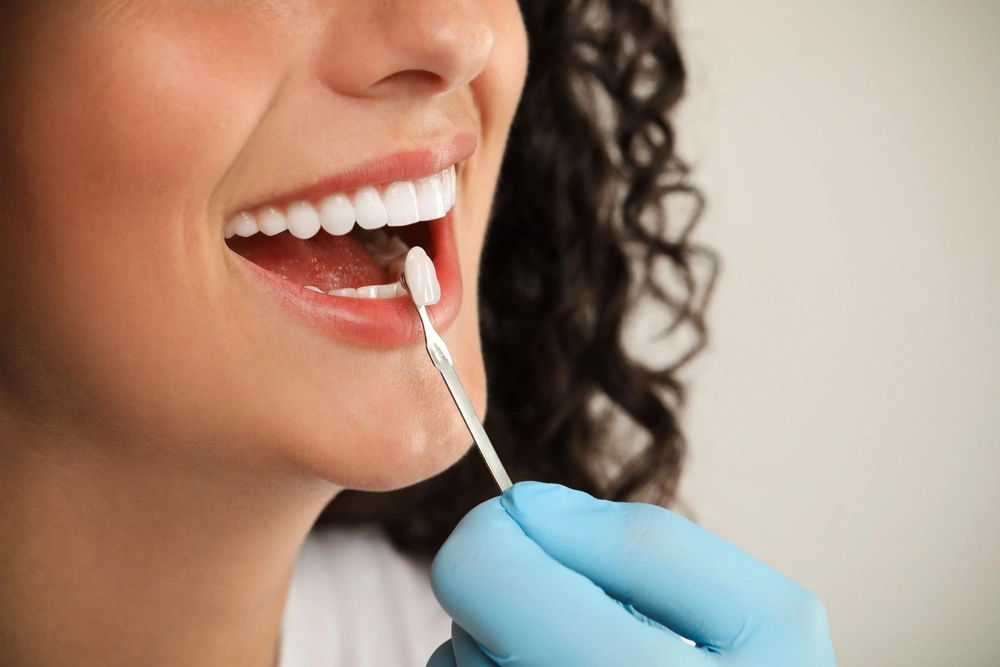
Dental implants are one of the most reliable and long-lasting ways to replace missing teeth. While the titanium implant itself can often last for decades with proper care, the dental crown attached to it is subject to everyday wear and may eventually need to be repaired or replaced.
Many patients assume that once an implant is complete, no further attention is needed. In reality, the crown experiences constant chewing pressure and normal aging, just like natural teeth. Recognizing the early warning signs of a worn or damaged implant crown can help prevent more serious complications and protect your investment.
At Buford Dental, we evaluate implant restorations during routine dental exams to ensure they continue functioning comfortably and looking their best.
How Long Does an Implant Crown Last?
A well-made implant crown can often last 10 to 15 years or even longer, depending on several factors, including:
- Daily oral hygiene
- Bite forces
- Teeth grinding or clenching (bruxism)
- Crown material
- Regular dental checkups
Although implant crowns are highly durable, they are not indestructible. Over time, normal wear or accidental damage may make replacement necessary.
1. The Crown Feels Loose
An implant crown should feel completely stable.
If you notice movement while chewing or speaking, it could indicate:
- A loose retaining screw
- Cement failure (for cement-retained crowns)
- Wear of internal components
- Damage to the restoration
A loose crown should never be ignored. Prompt evaluation allows your dentist to determine whether the crown simply needs tightening or requires replacement.
2. Visible Cracks or Chips
Although modern crowns are made from strong materials such as porcelain or zirconia, they can still become damaged.
Watch for:
- Small surface cracks
- Chipped porcelain
- Broken edges
- Missing portions of the crown
Even minor damage can weaken the restoration and increase the risk of further fracture.
3. Difficulty Chewing Comfortably
An implant crown should allow you to chew naturally without discomfort.
If eating becomes uncomfortable, you may notice:
- Pain while biting
- Pressure when chewing
- Uneven bite contact
- Food catching around the crown
These symptoms may indicate crown wear, bite changes, or underlying issues that require professional evaluation.
4. Changes in Your Bite
Over time, natural teeth can shift due to aging, tooth loss, or orthodontic changes. As a result, your implant crown may no longer fit your bite properly.
Signs include:
- Feeling that one tooth contacts first
- Jaw soreness or TMJ discomfort
- Increased tooth wear
- Difficulty closing your mouth comfortably
Your dentist can determine whether the crown requires adjustment or replacement to restore proper function. If alignment has shifted significantly across your smile, solutions like Invisalign may also be discussed.
5. Wear That Affects Appearance
Implant crowns are designed to blend naturally with your smile, but years of daily use can affect their appearance.
You may notice:
- Worn chewing surfaces
- Stains that cannot be polished away
- Rough texture
- Color differences compared to surrounding teeth
If your smile no longer looks as natural as it once did, replacing the crown can refresh your smile alongside options like cosmetic dentistry.
6. Gum Changes Around the Implant
Healthy gums are essential for long-term implant success.
Contact your dentist if you notice:
- Redness around the implant
- Swollen gums
- Bleeding during brushing
- Persistent tenderness
- Gum recession exposing the crown margin
These symptoms do not always mean the crown needs replacement, but they should be evaluated promptly. Early treatment can help prevent peri-implant disease and protect the implant itself. Managing gum tissue is a key part of our periodontal care.
7. The Crown Is More Than 10 to 15 Years Old
Even if no obvious damage is visible, older implant crowns should be evaluated regularly.
Years of chewing can gradually cause:
- Material fatigue
- Small fractures
- Changes in fit
- Cosmetic wear
Routine dental examinations allow your dentist to monitor aging restorations before problems become more serious.
Can the Implant Stay If the Crown Needs Replacement?
In many cases, yes.
One of the major advantages of dental implants in Buford, GA is that the implant fixture (the post in the jawbone) and the crown are separate components.
If the implant remains healthy and securely integrated with the jawbone, only the crown may need to be replaced. This often makes treatment simpler and less invasive than replacing the entire implant.
How Is an Implant Crown Replaced?
The replacement process typically begins with a comprehensive examination.
Your dentist may:
- Evaluate the implant and surrounding bone using digital X-rays
- Check the stability of the implant
- Assess your bite
- Remove the existing crown
- Take digital impressions for a new custom restoration
- Secure the new crown once it is ready
If the implant itself is healthy, replacing the crown with a new custom dental crown or filling is generally a straightforward procedure.
How to Help Your Implant Crown Last Longer
You can maximize the lifespan of your implant crown by following good oral care habits.
Helpful tips include:
- Brush twice daily with fluoride toothpaste.
- Floss carefully around the implant every day.
- Attend regular dental cleanings and exams.
- Wear a nightguard if you grind or clench your teeth.
- Avoid chewing ice, hard candy, or other extremely hard objects.
- Do not use your teeth to open packages.
Routine preventive dentistry plays an important role in identifying small issues before they require more extensive treatment.
When Should You Contact Your Dentist?
Schedule an appointment promptly if you notice:
- A loose implant crown
- Pain while chewing
- Visible cracks or chips
- Swelling around the implant
- Bleeding gums
- Bite changes
- Sudden discomfort
Early treatment often prevents more complex repairs and helps protect the long-term success of your dental implant.
Protecting Your Smile for Years to Come
Dental implants are designed to provide long-lasting tooth replacement, but the crown attached to the implant experiences everyday wear just like natural teeth. Paying attention to changes in comfort, appearance, or function allows potential problems to be addressed before they become more significant.
At Buford Dental, we carefully monitor dental implants during routine visits and provide personalized care to keep your smile healthy, functional, and looking its best. Whether your implant crown needs a simple adjustment or a complete replacement, our team can help you maintain a confident smile for years to come.
FAQs About Implant Crown Replacement
Q: How often do implant crowns need to be replaced?
A: Many implant crowns last 10 to 15 years or longer with proper care, although their lifespan depends on oral hygiene, bite forces, and everyday wear.
Q: Can a loose implant crown be repaired instead of replaced?
A: Sometimes. If the problem is caused by a loose screw or minor adjustment, your dentist may be able to repair it without replacing the entire crown.
Q: Does replacing an implant crown require surgery?
A: No. In most cases, replacing only the crown does not involve surgery because the implant remains securely in the jawbone.
Q: What happens if I ignore a damaged implant crown?
A: Delaying treatment can lead to worsening damage, bite problems, food accumulation, gum irritation, or complications that may affect the implant over time.
Q: How can I make my implant crown last longer?
A: Brush and floss daily, schedule regular dental cleanings and exams, avoid chewing very hard objects, and wear a nightguard if you grind your teeth.
Contact Us
We encourage you to contact us with any questions or comments
Location: 1944 Braselton Hwy #107,
Contact: (770) 696-9450
Office Hours
Monday to Thursday: 7.00 AM to 4.00 PM
Fridays: By Appointment
Saturday & Sunday: Closed
Schedule Your Visit!
*First Name
*Last Name
Your Email
*Phone Number
*Preferred Appointment Date & Time
Comments
(Requested time is not final until you receive confirmation from our office) I allow this website to store my submission so they can respond to my inquiry
We are committed to providing quality healthcare to families located in the GA area and treating patients of all ages.


OVERVIEW
SERVICES
SUPPORT
© 2025 Buford Dental | All rights reserved | Privacy Policy | Website Design by Remedo